


Inhaltsverzeichnis
- What Is THC? Understanding the Psychoactive Cannabinoid
- What Is CBG? The Non-Psychoactive Mother Cannabinoid
- CBG vs THC: Key Differences and Distinctions
- Does CBG Counteract THC? Understanding the Interaction
- CBG and THC Together: The Synergistic Effects
- How CBG and THC Work Together Physiologically
- CBG and THC Gummies: Practical Applications
- The Science of Entourage Effect in CBG-THC Combinations
- Practical Guidance: Using CBG and THC Together
- Frequently Asked Questions
THC and CBG together create a unique cannabinoid combination that offers more balanced effects than either compound alone. CBG, known as the "mother cannabinoid," works alongside THC to potentially reduce psychoactive intensity while enhancing therapeutic benefits. Understanding how thc cbg combinations work helps users make informed decisions about which products suit their needs and tolerance levels. When considering cbg vs thc, the critical distinction is that CBG is non-psychoactive while THC produces the well-known "high," yet when taken together, these cannabinoids interact synergistically through the endocannabinoid system.
The relationship between these compounds has sparked significant research interest, with emerging evidence suggesting that cbg and thc together may provide superior pain relief, reduced anxiety, and more balanced effects than either cannabinoid in isolation.
What Is THC? Understanding the Psychoactive Cannabinoid
THC (delta-9-tetrahydrocannabinol) is the primary psychoactive compound in cannabis. It directly binds to CB1 receptors in the brain, producing the characteristic "high" sensation that most cannabis users experience. THC affects dopamine release, altering mood, perception, time sense, and sensory processing.
THC's Primary Effects
- Euphoria and relaxation: The most recognized effect, creating feelings of pleasure and calm
- Pain relief: Potent analgesic properties beneficial for chronic pain conditions
- Appetite stimulation: Increased hunger and food intake
- Sleep support: Sedative effects that aid sleep, particularly in evening doses
- Nausea reduction: Antiemetic properties useful for chemotherapy patients
THC's effectiveness comes with potential drawbacks. Users sometimes experience anxiety, paranoia, memory impairment, or increased heart rate. These side effects often discourage users seeking therapeutic benefits without psychoactive effects.
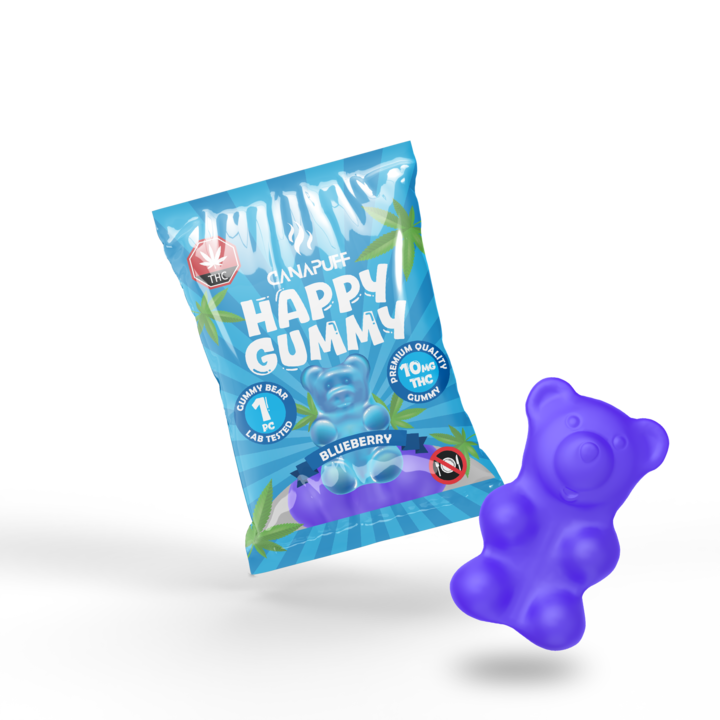
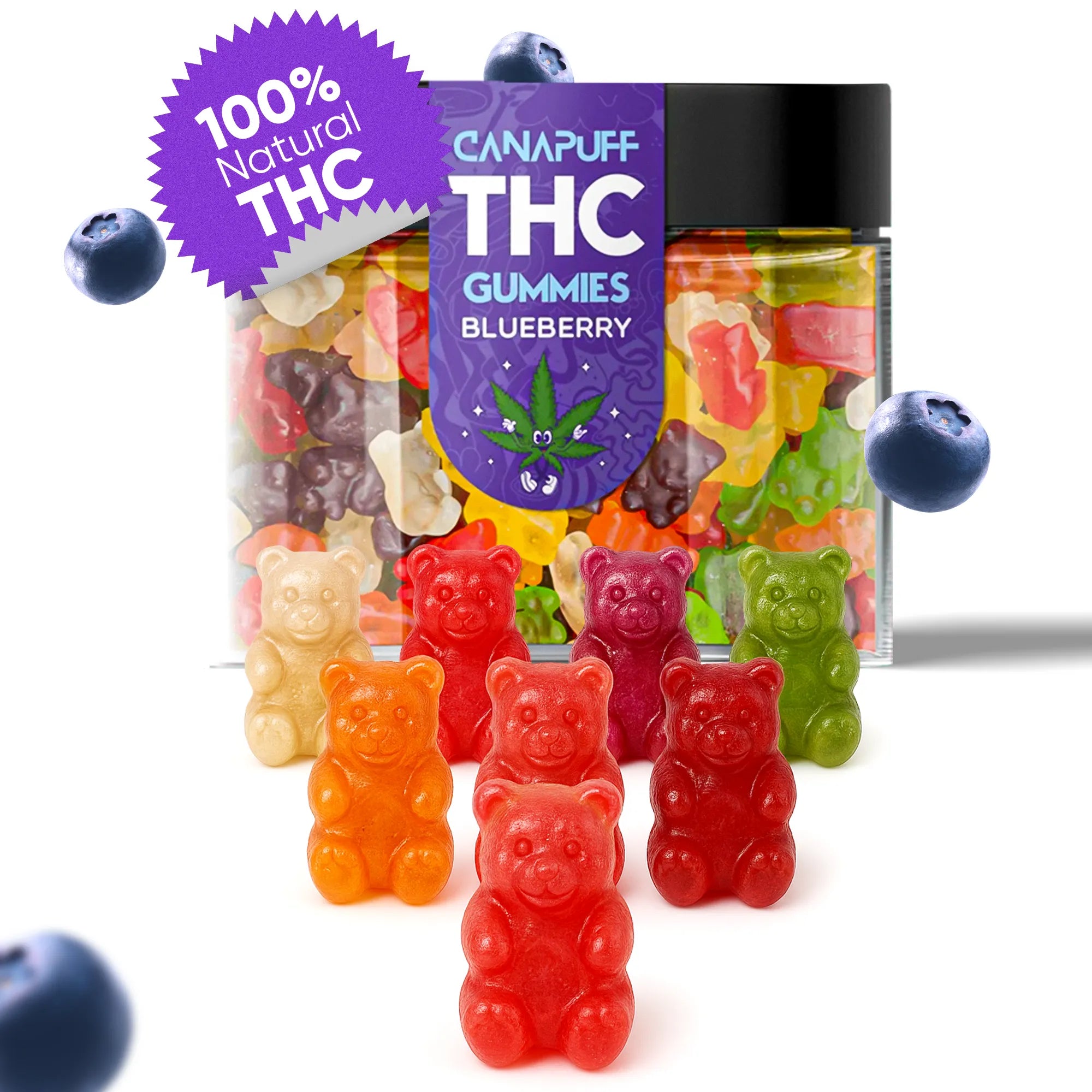
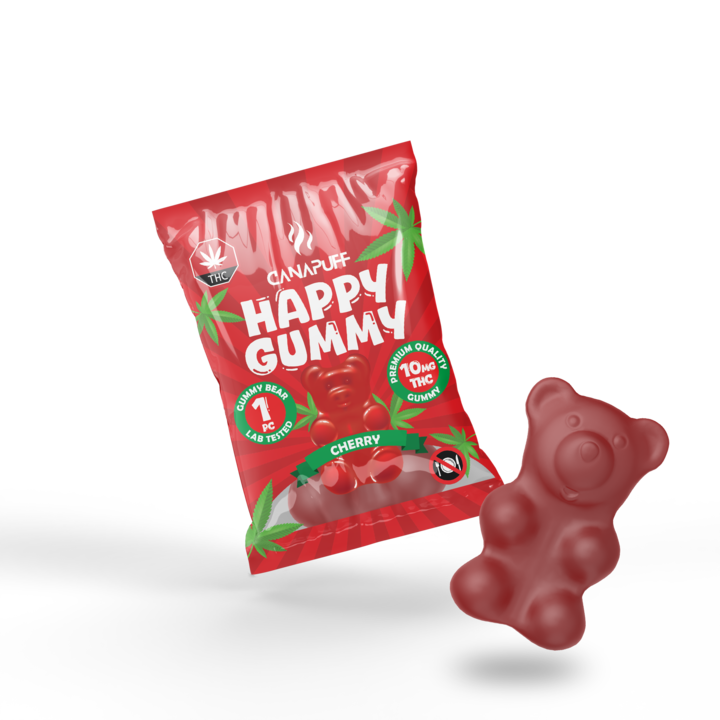
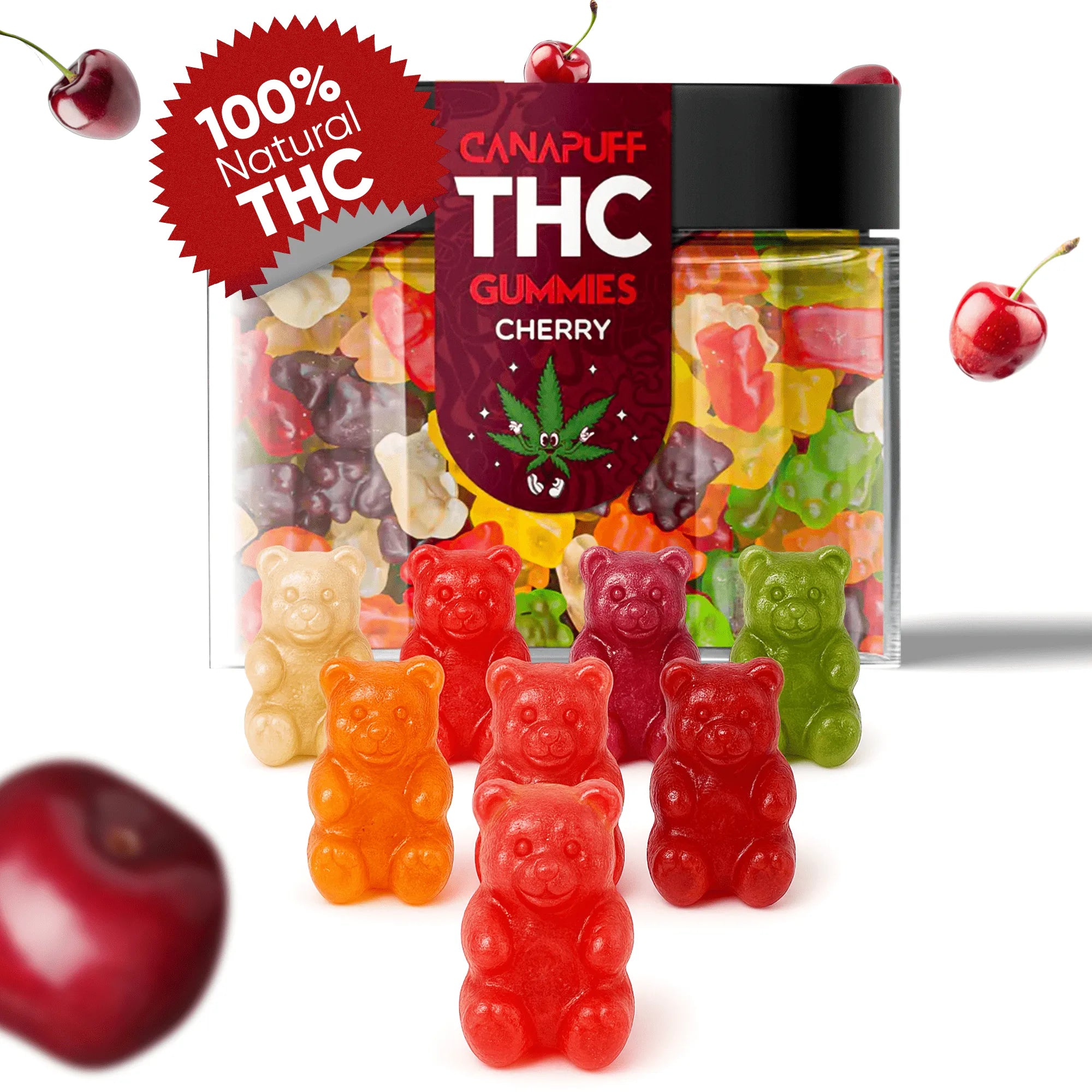
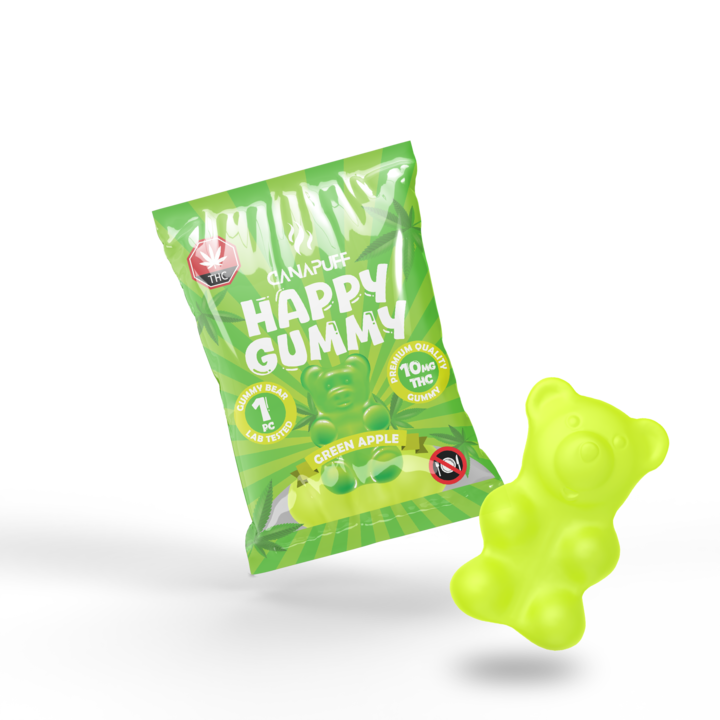
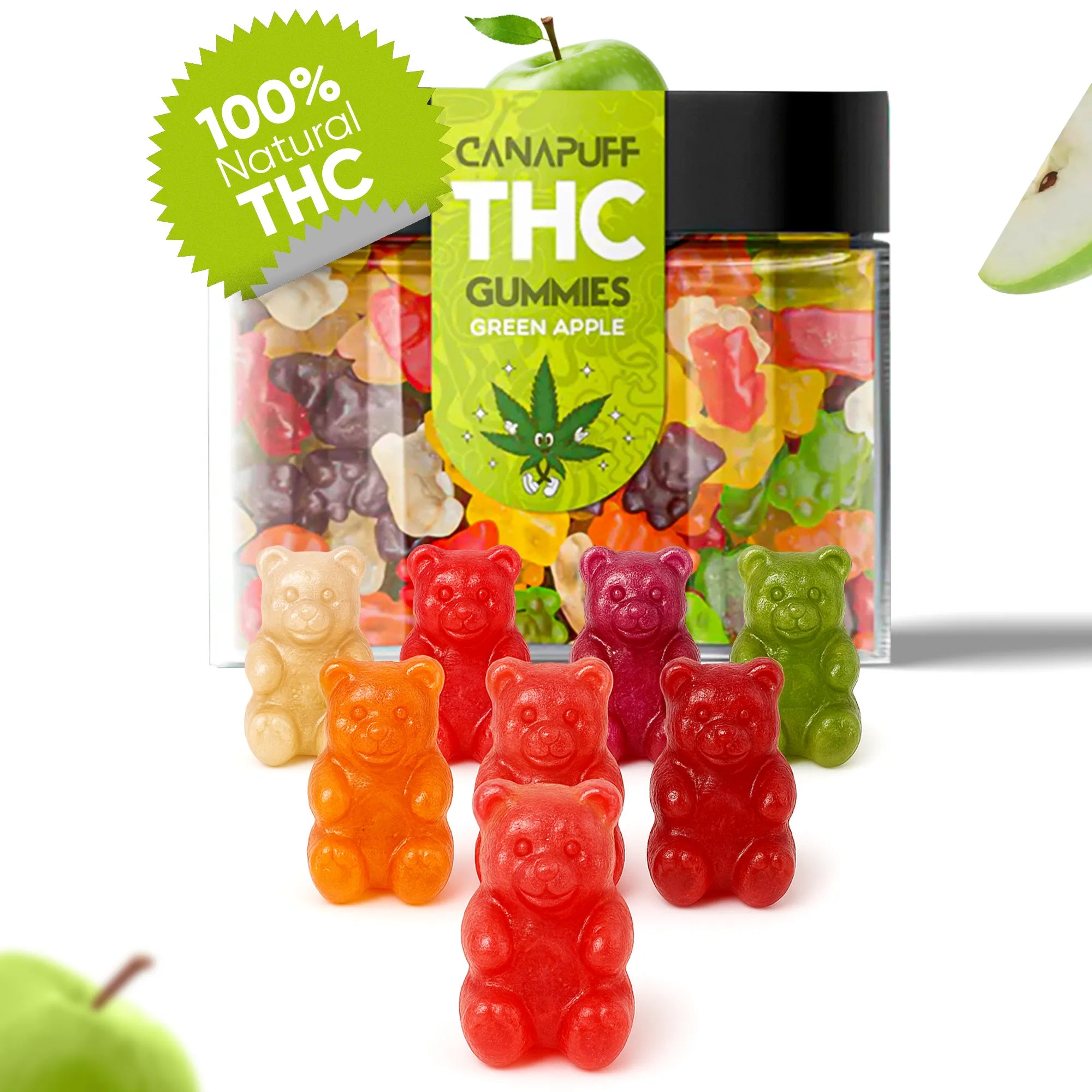
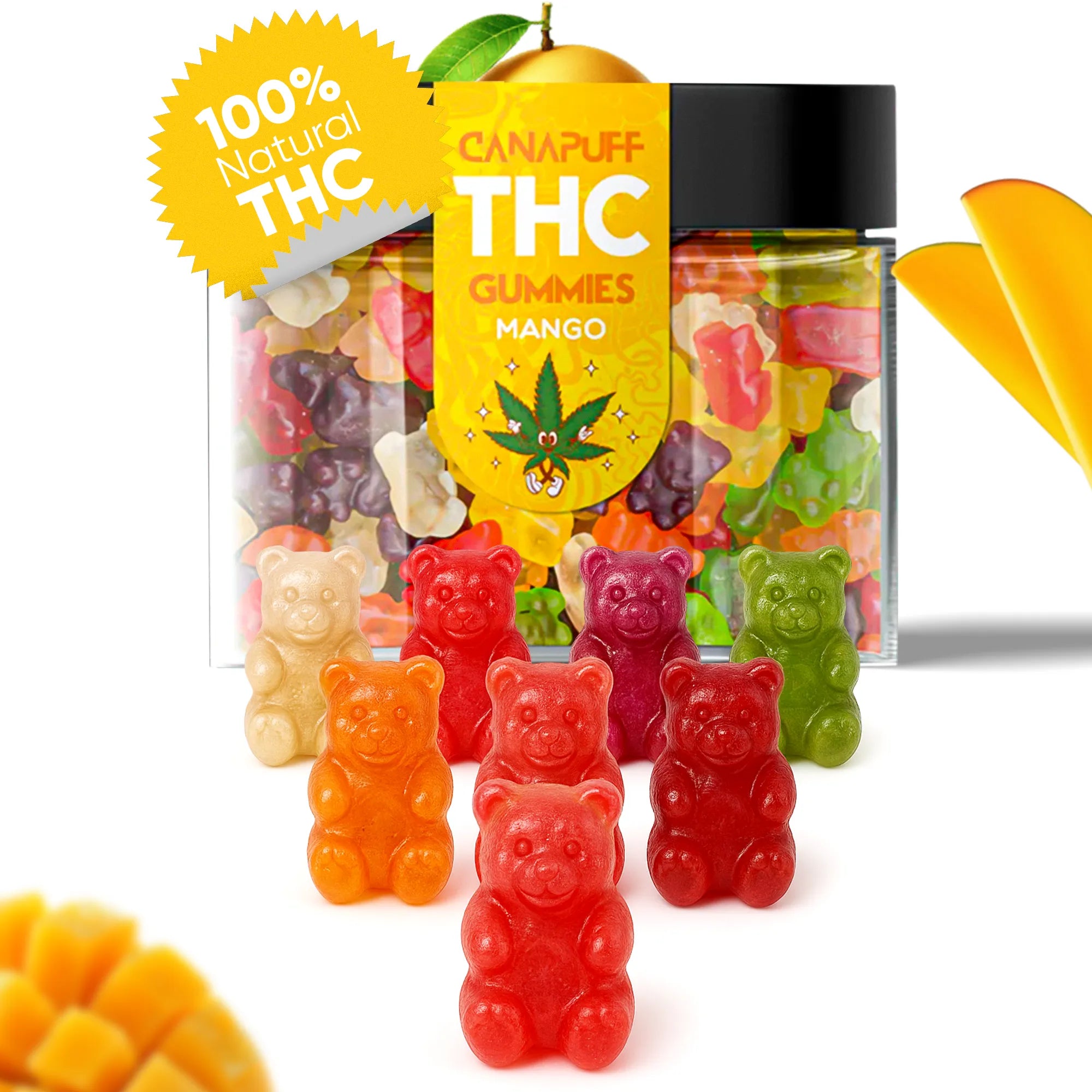
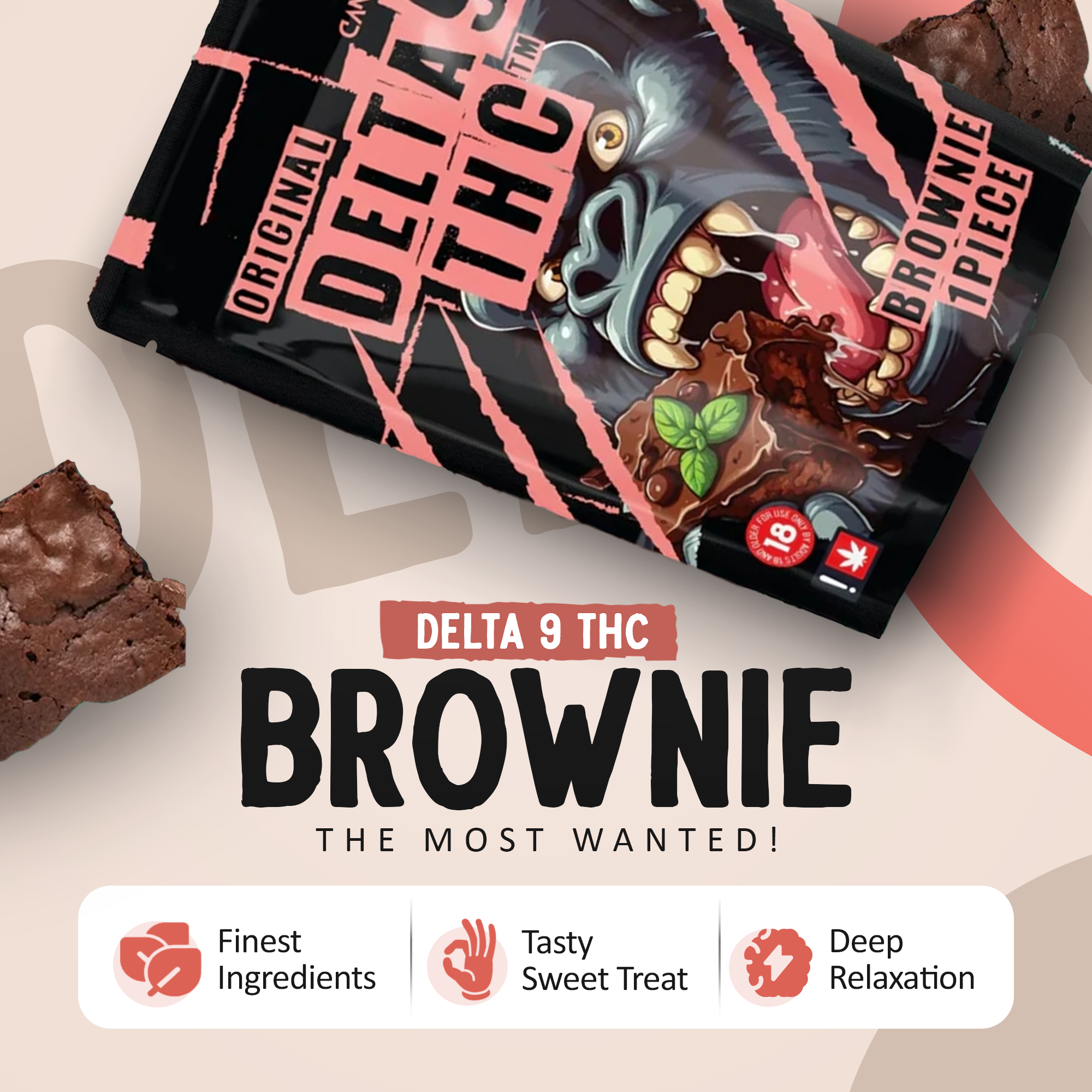
For those interested in THC products, Canapuff's THC gummies collection provides various potencies and formulations.
What Is CBG? The Non-Psychoactive Mother Cannabinoid
CBG (cannabigerol) exists as a minor cannabinoid in most cannabis plants, typically comprising less than 1% of total cannabinoid content. It's called the "mother cannabinoid" because CBGA (cannabigerolic acid) is the precursor from which THC, CBD, and other cannabinoids are synthesized. Unlike THC, CBG does not create intoxicating effects.
How CBG Interacts with Receptors
CBG does not bind strongly to CB1 receptors in the brain, which is why it produces no psychoactive effects. Instead, it interacts with both CB1 and CB2 receptors in gentler ways and influences other receptor systems including TRPV1 (vanilloid receptors involved in pain perception) and 5-HT1A (serotonin receptors). This diverse receptor interaction creates effects distinct from THC.
CBG's Primary Effects
- Pain relief: Potentially stronger analgesic properties than THC at lower doses
- Anti-inflammatory: Reduces inflammation throughout the body
- Neuroprotective: Protects nerve cells from damage, potentially beneficial for neurodegenerative diseases
- Antibacterial: Shows promise against antibiotic-resistant bacteria
- Mood support: May reduce anxiety and support emotional balance
- Appetite stimulation: Increases hunger, distinct from THC's mechanism
Research indicates CBG may be particularly effective for pain associated with digestive issues, bladder conditions, and neuropathic pain.
CBG vs THC: Key Differences and Distinctions
The fundamental difference when comparing cbg vs thc is psychoactivity. However, the distinctions extend far beyond the high:
| Characteristic | THC | CBG |
|---|---|---|
| Psychoactive | Yes (strong) | No |
| CB1 receptor binding | Direct, strong | Indirect, weak |
| Primary effect | Euphoria, relaxation | Focus, pain relief |
| Best timing | Evening/recreational | Daytime/medical |
| Anxiety risk | Potential | Reduced |
| Pain relief potency | Moderate-strong | Potentially stronger at low doses |
| Sleep support | Excellent | Indirect (via pain relief) |
| FDA approval | None | None |
| Legal status | Controlled substance | Legal (hemp-derived) |
| Appetite | Stimulates | Stimulates |
| Neuroprotection | Minimal research | Promising research |
The most important practical distinction: does CBG have THC? In isolation, no-pure CBG contains zero THC. However, full-spectrum cannabis products naturally contain both cannabinoids together, creating the entourage effect.

Does CBG Counteract THC? Understanding the Interaction
The critical question does cbg counteract thc has a nuanced answer. CBG doesn't completely eliminate THC's effects, but research suggests it modulates them:
The Receptor Competition Theory
When cbg and thc work together, CBG may compete with THC for CB1 receptor binding. Since CBG binds weakly to these receptors while THC binds strongly, CBG cannot directly block THC. However, CBG can reduce the overall responsiveness of CB1 receptors-a process called "receptor antagonism"-making THC's binding less effective. Think of it as CBG reducing the volume on THC's effects rather than turning them off entirely.
The Anandamide Enhancement Theory
CBG may increase anandamide (the body's natural THC-like compound) production. This increased endogenous anandamide can influence CB1 signaling in ways that offset some THC effects, particularly anxiety and paranoia. This mechanism works differently than direct receptor blocking.
Empirical Evidence from Research
A 2021 study examining pain responses found that when CBD, CBG, and THC were combined in a 1:1:1 ratio, they produced enhanced pain relief compared to any single cannabinoid. The combination showed synergistic effects-the total benefit exceeded what adding individual benefits would predict.
Research on anxiety specifically showed CBG significantly reduces anxiety, suggesting that cbg and thc together may reduce THC-induced anxiety compared to THC alone. However, studies directly testing whether CBG "sobers you up" from THC remain limited.
CBG and THC Together: The Synergistic Effects
Enhanced Pain Relief
One of the most documented benefits of thc and cbg together is amplified pain management. Research demonstrates:
- Individual cannabinoids (THC, CBD, CBG) each reduce pain signals
- Combined cannabinoids in balanced ratios produce stronger effects than individual compounds
- CBG's specific pain-relieving properties complement rather than duplicate THC's mechanisms
- The combination works particularly well for neuropathic pain, inflammatory pain, and digestive-related pain
Users consistently report that cbg and thc gummies produce more effective pain relief than equivalent THC-only products.
Balanced Psychoactivity
When asking what does cbg do with thc, the most common user report is a "smoother high." This reflects several mechanisms:
- Reduced anxiety: CBG's anxiety-reducing properties counteract THC's potential to trigger paranoia
- Enhanced clarity: CBG's clarity-promoting effects balance THC's cognitive fuzziness
- Sustained energy: CBG's energizing properties offset THC's sedative effects
- Extended duration: Anecdotal reports suggest cbg and thc together last slightly longer with more stable effects
Some users report CBG enhances THC's intensity, while others report it reduces intensity. This variation depends on individual neurochemistry, dose ratios, and tolerance.
Improved Therapeutic Efficacy
Research into cbg vs thc combined effects suggests:
- Better pain management without requiring higher THC doses
- Reduced side effects compared to THC alone
- Improved quality of life metrics for chronic pain patients
- Decreased anxiety despite equivalent psychoactivity
The theoretical mechanism: CBG's anti-inflammatory and neuroprotective effects address pain's root causes, while THC provides symptom relief. Together, they attack the problem from multiple angles.
Better Sleep Quality
THC alone provides sedation, but combined with CBG, sleep quality may improve. CBG's pain-relieving and anxiety-reducing properties remove obstacles to sleep, while THC promotes sleep onset. Users report falling asleep faster and sleeping more deeply with this combination.
How CBG and THC Work Together Physiologically
Receptor Binding and Endocannabinoid System Interaction
THC and CBG activate different pathways within the endocannabinoid system:
- THC: Directly activates CB1 receptors (brain) and CB2 receptors (immune system), creating psychoactive effects
- CBG: Activates CB2 receptors and other receptor systems (TRPV1, 5-HT1A) while antagonizing CB1 receptors
When combined, they create a multi-system activation that produces broader effects than either alone. This is the "entourage effect"-the synergistic interaction of multiple cannabinoids producing superior results.
The Ratio Factor
The ratio of cbg to thc determines the intensity and character of effects:
- High CBG:THC ratio (e.g., 3:1): Minimal psychoactivity, maximum therapeutic benefits, improved focus
- Balanced ratio (e.g., 1:1): Moderate psychoactivity with enhanced therapeutic effects
- High THC:CBG ratio (e.g., 3:1): Strong psychoactivity with improved pain relief
Users can tailor experiences by selecting products with specific ratios. Daytime use might favor higher CBG ratios, while evening recreation might favor higher THC.

CBG and THC Gummies: Practical Applications
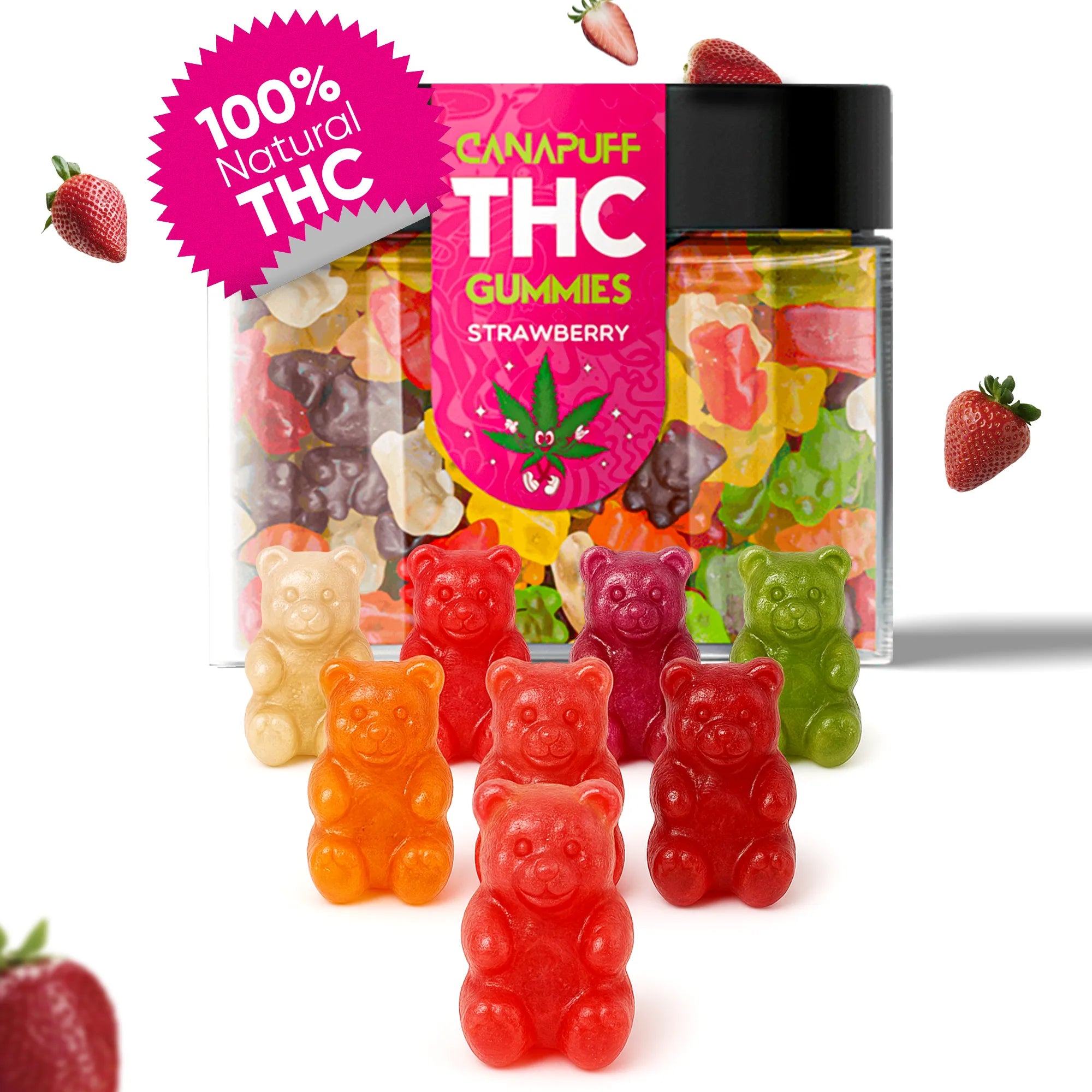
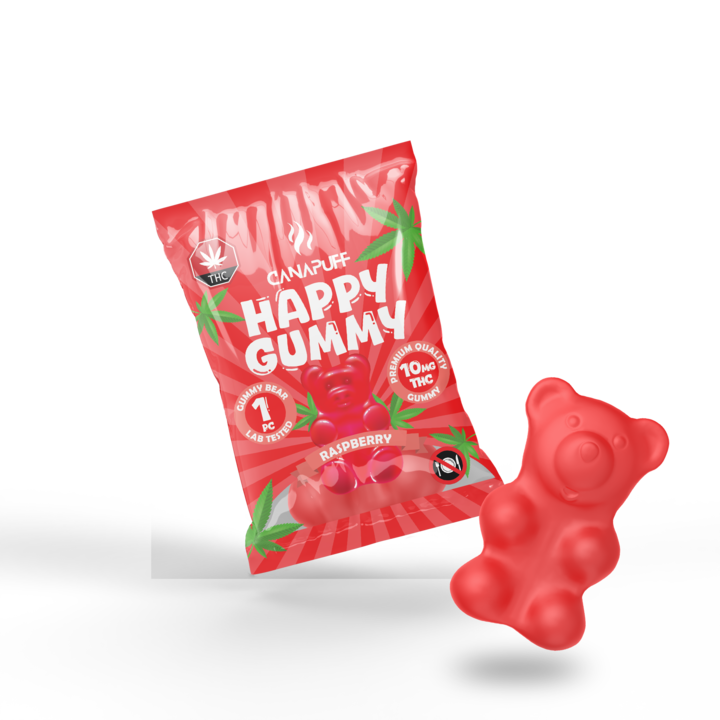
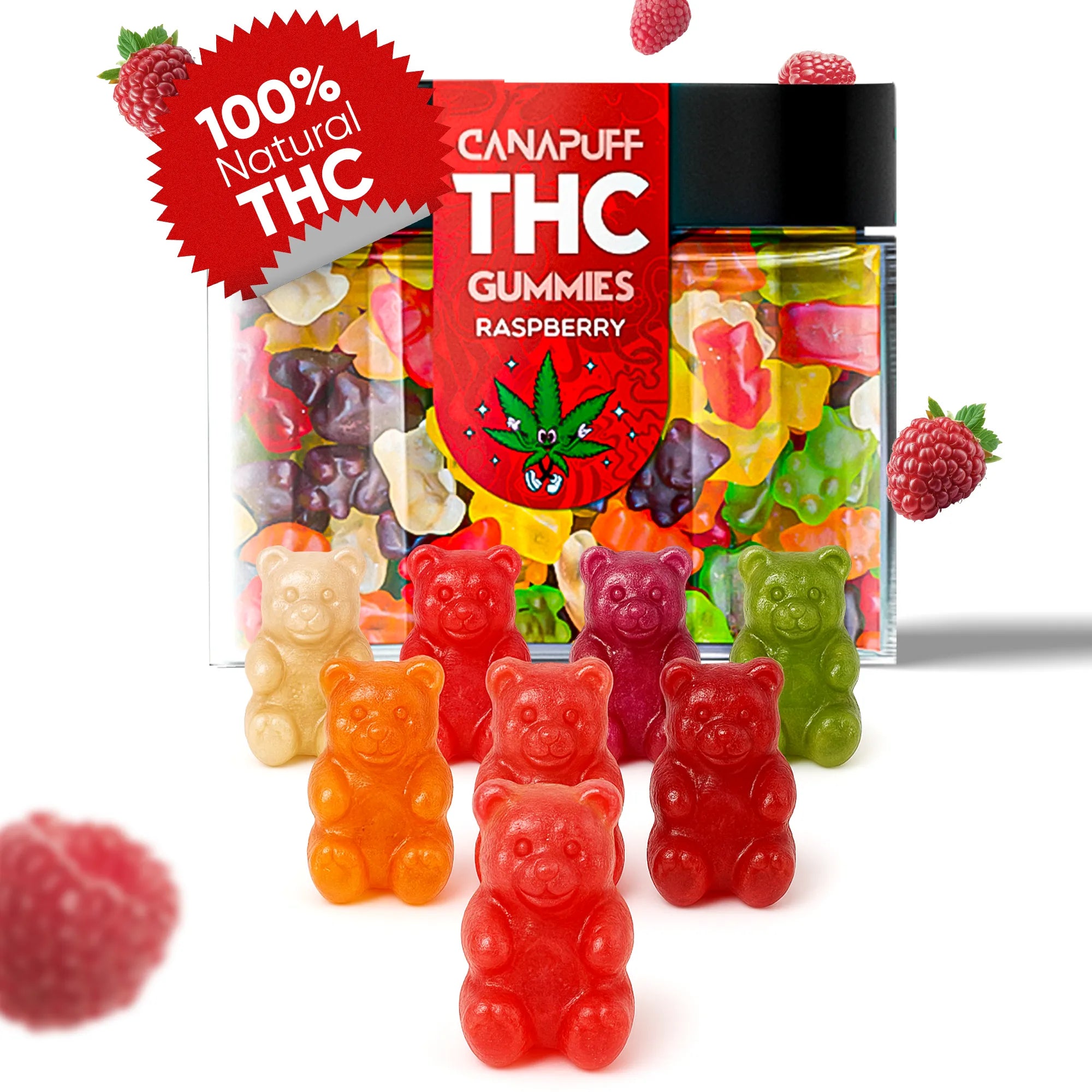
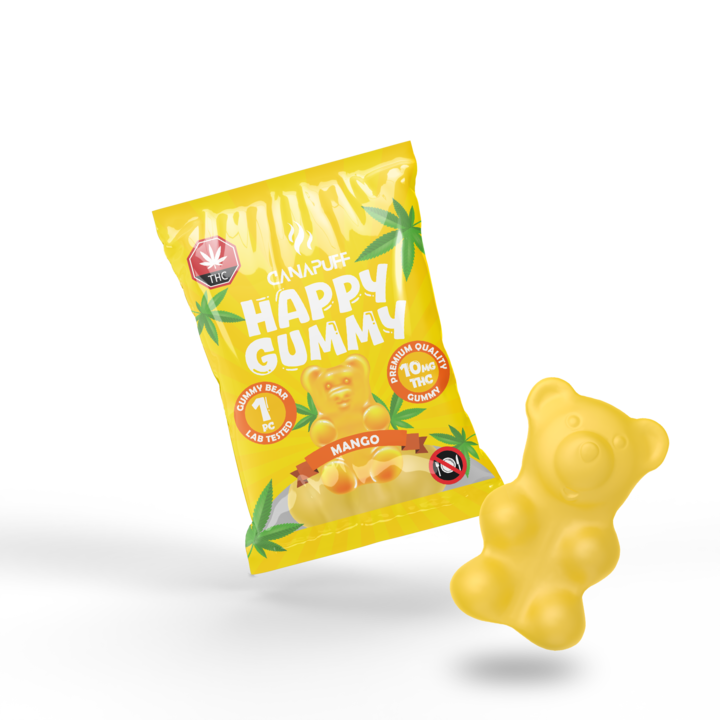
Cbg and thc gummies represent the most convenient way to access this combination. These edibles offer several advantages:
Dosage Precision
Gummies allow exact milligram dosing of both cannabinoids. Users can easily track their exact intake-critical for understanding optimal ratios for their individual response. A 10mg THC / 10mg CBG gummy provides perfectly balanced effects for many users.
Ratio Flexibility
Different gummy products offer various ratios:
- THC-dominant: 20mg THC / 5mg CBG (maximum psychoactivity)
- Balanced: 10mg THC / 10mg CBG (therapeutic + recreational balance)
- CBG-dominant: 5mg THC / 20mg CBG (maximum therapeutic benefit with minimal high)
Consistency and Reliability
Laboratory-tested gummies provide consistent effects, unlike flower where cannabinoid ratios vary between buds. This consistency helps users identify optimal doses and ratios for their needs.
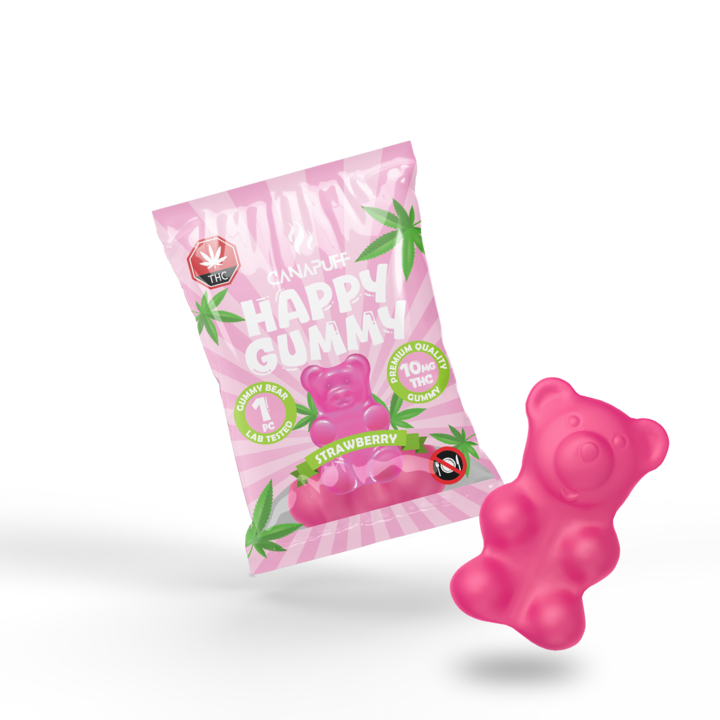
For those interested in exploring combinations, Canapuff's THC gummies collection includes options suitable for exploring different cannabinoid ratios.
Extended Duration
Gummies provide 6-8 hour effects compared to 2-4 hours for smoked products, allowing users to maintain therapeutic benefits throughout the day or sustained sleep through the night.
The Science of Entourage Effect in CBG-THC Combinations
The entourage effect is the theory that cannabinoids and terpenes work together synergistically, producing effects superior to isolated compounds. In cbg and thc combinations, this principle applies:
Documented Synergistic Effects
Research demonstrates genuine synergy:
- Combined cannabinoids show dose-dependent increased efficacy
- Effects are not merely additive but exponentially greater
- The combination produces benefits neither achieves alone
- Different receptor interactions create layered effects
Terpene Enhancement
Full-spectrum products containing CBG and THC alongside terpenes (aromatic compounds in cannabis) show even stronger synergy. Myrcene (earthy), limonene (citrus), and pinene (pine) enhance the endocannabinoid system effects.
Individual Variation
The entourage effect varies between individuals due to genetic differences in endocannabinoid system density, receptor sensitivity, and metabolic processing. This explains why some users report CBG enhancing THC while others report it reducing THC-the basic mechanism is universal, but individual responses vary.
For scientific context on cannabinoid interactions, see Wikipedia's cannabinoid overview.
Practical Guidance: Using CBG and THC Together
Starting with Combinations
If you're new to cbg and thc combinations:
- Start with a low-dose balanced product (5mg THC / 5mg CBG)
- Use in evening to assess effects without work/driving demands
- Wait at least 2 hours (edibles) to reach peak effects before assessing
- Note mood, pain relief, anxiety, and side effects
- Adjust ratio or dose based on results
Finding Your Optimal Ratio
Experimentation identifies your ideal CBG:THC ratio:
- Anxiety-prone users: Higher CBG:THC ratios (2:1 or 3:1)
- Pain-focused users: Balanced ratios (1:1) or slightly THC-heavy
- Sleep-focused users: Balanced or slightly CBG-heavy for pain relief + THC sedation
- Daytime productivity: High CBG:THC ratios (3:1 or higher)
Timing and Dosing
- Morning: Higher CBG:THC ratio, lower dose (5-10mg THC)
- Afternoon: Balanced ratio, moderate dose (10-15mg THC)
- Evening: THC-forward ratio, higher dose (15-25mg THC)
Consistency matters-daily use at consistent times produces better results than sporadic high-dose use.
Frequently Asked Questions
Does CBG reduce THC's high for everyone?
No. Individual responses vary significantly. Some report CBG reduces intensity, while others report it enhances or has no effect. This variation reflects differences in endocannabinoid system physiology, tolerance levels, and the specific ratio used. Experimentation determines personal response patterns.
Can I mix separate CBG and THC products to create a combination?
Yes, but measuring exact ratios becomes difficult. Combining separate gummies or oils requires careful dosing to maintain consistency. Pre-formulated cbg and thc gummies provide precise ratios, making them more convenient than mixing.
Does CBG have THC in it naturally?
Pure CBG isolate contains zero THC. However, full-spectrum cannabis extracts naturally contain trace amounts of multiple cannabinoids including both CBG and THC. The 2018 Farm Bill defines hemp products as legal if they contain less than 0.3% THC by dry weight.
Is CBG legal if it comes from hemp?
Yes. Hemp-derived CBG is federally legal under the 2018 Farm Bill, unlike THC which remains a Schedule I controlled substance. However, state laws vary-some states prohibit all THC-containing products including hemp-derived THC. Research local regulations before purchasing.
How long does cbg and thc together last compared to THC alone?
Duration is similar-about 3-4 hours for smoked/vaped, 6-8 hours for edibles. However, users report the effects feel more stable and sustained with CBG present, potentially due to smoother neurological effects rather than actual duration extension.
Can I use CBG to counteract a THC overdose?
CBG cannot quickly reverse acute THC intoxication. While it may reduce anxiety and moderate psychoactivity, it won't clear THC from your system or dramatically reduce impairment. Management of overdose focuses on safe environment, hydration, and time for THC to metabolize naturally.
What's the difference between full-spectrum and CBG+THC isolated combinations?
Full-spectrum products contain all naturally occurring cannabinoids and terpenes. CBG+THC combinations are isolated compounds formulated together. Full-spectrum may produce stronger entourage effects, while isolate combinations provide precise ratio control. Both offer benefits depending on goals.
Is CBG THC going to show up on drug tests?
Yes. Both THC and its metabolites trigger positive results on standard drug tests. CBG alone does not trigger positive tests. If using combination products, assume they'll register as positive for cannabis regardless of CBG content.
Does CBG have any psychoactive effects at all?
No. CBG is definitively non-psychoactive-it produces no intoxication, euphoria, or perception changes. Users describe it as clear-headed and functional, distinct from THC's altered perception. Some users report mood improvement with CBG, but this differs from psychoactivity.
Can I use CBG and THC together if I'm taking medications?
Consult with a healthcare provider. Both cannabinoids interact with liver enzymes that metabolize medications. Medications processed by CYP3A4 or CYP2C9 enzymes may have altered effectiveness or increased side effects when combined with CBG or THC.




Hinterlasse einen Kommentar
Diese Website ist durch hCaptcha geschützt und es gelten die allgemeinen Geschäftsbedingungen und Datenschutzbestimmungen von hCaptcha.