


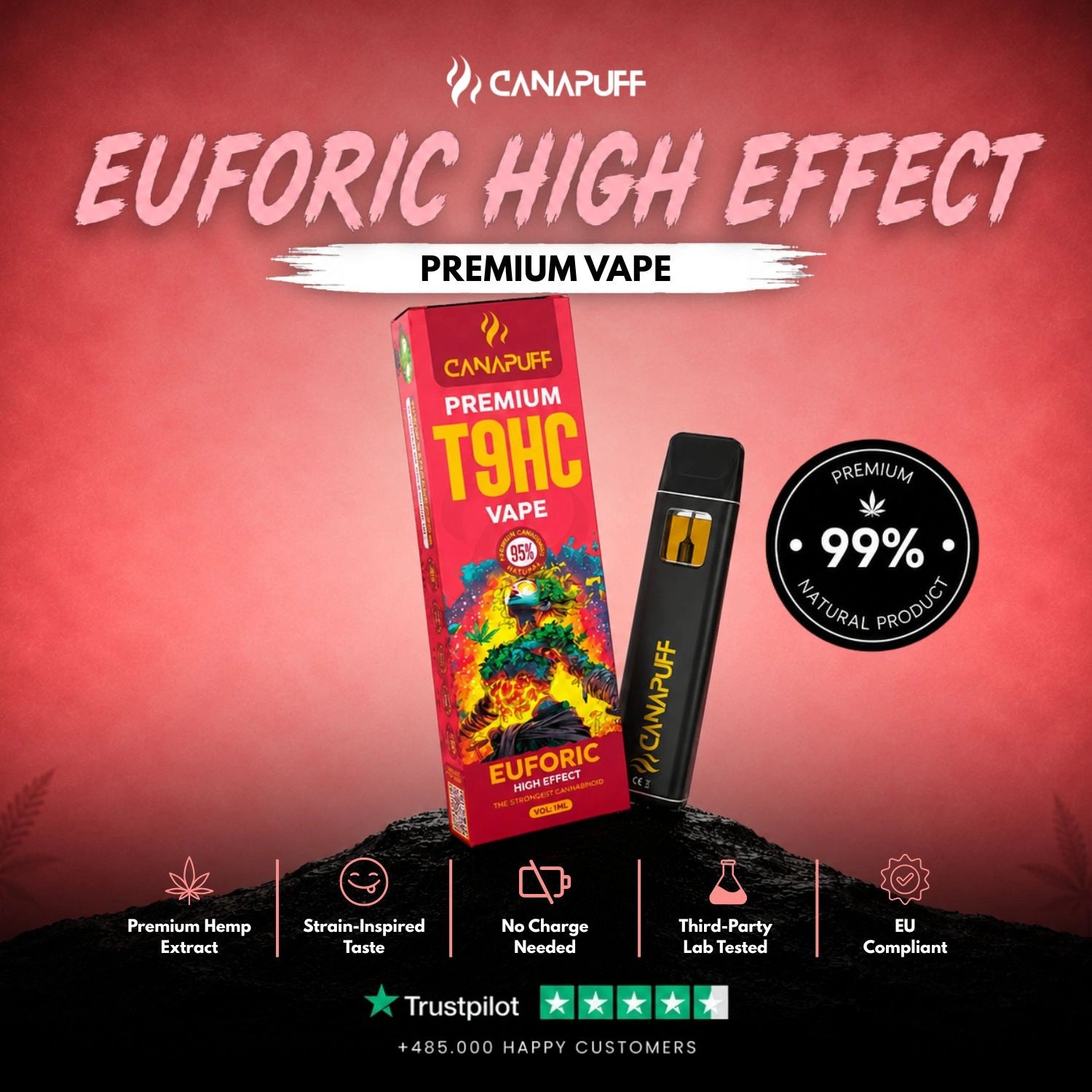
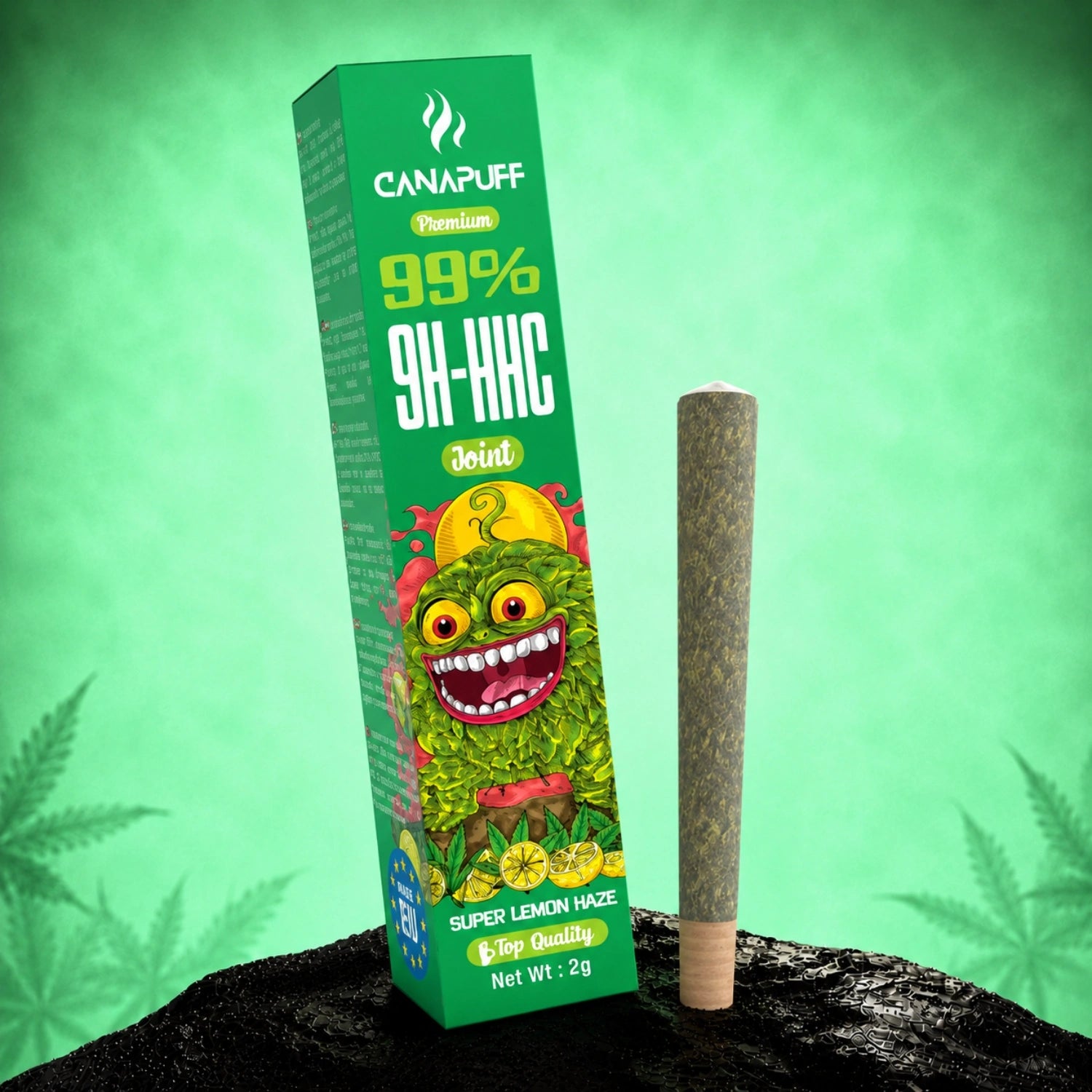








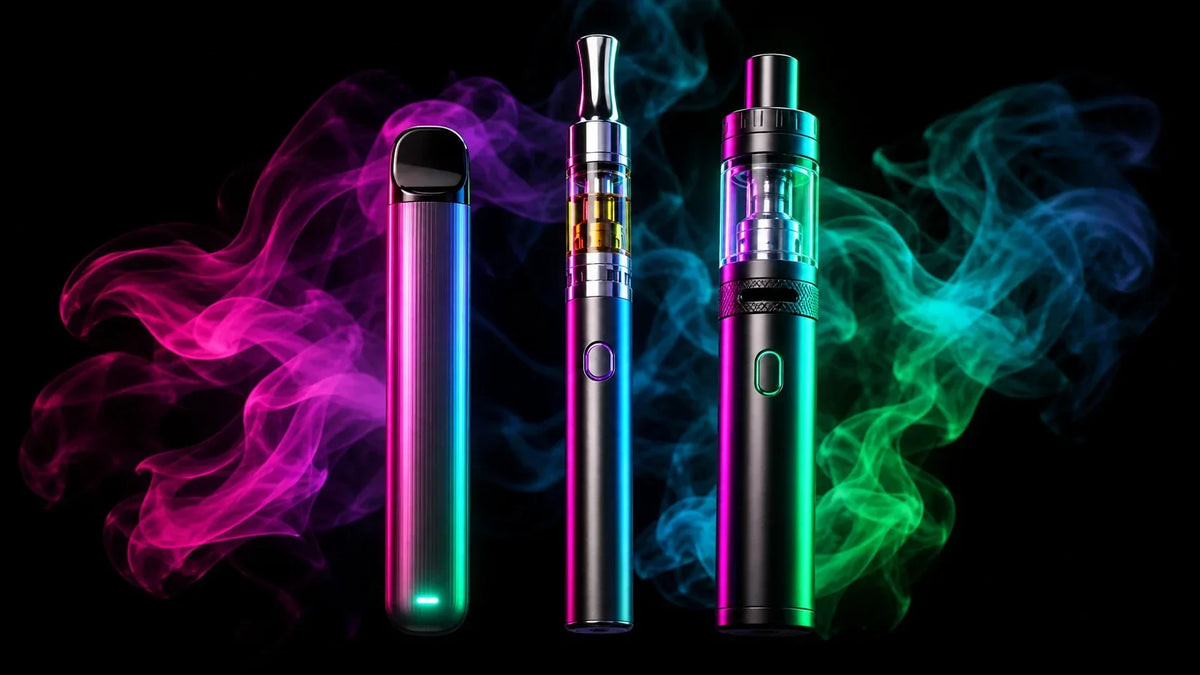
A weed pen looks simple from the outside, but the label covers several very different devices. Knowing which type you are actually holding is what decides whether the experience is good, consistent and safe.
A weed pen is a compact vaporizer that heats a cannabinoid oil or extract until it turns into inhalable vapor. Instead of burning plant material like a joint, it warms a concentrate to a controlled temperature. The term covers disposable pens, battery and cartridge combinations, and refillable devices. This guide explains how they work, how the types differ, and how to choose one without falling for marketing.
What is a weed pen and how does it work
A weed pen has three core parts: a battery, a heating element known as an atomizer, and a chamber that holds the cannabinoid oil. When you activate the pen, the battery sends power to the atomizer, which heats the oil to the point where it vaporizes. You inhale the vapor, not smoke.
Because there is no combustion, a pen produces vapor at a much lower temperature than a burning joint. That is the main practical difference people notice: less smell, more portability, and a more measured intake. The trade-off is that a pen depends on the quality of the oil inside it, so the extract matters more than the hardware.
The main types of weed pens
Most devices sold as weed pens fall into three groups. They share the same basic principle but differ in convenience, cost and flexibility.
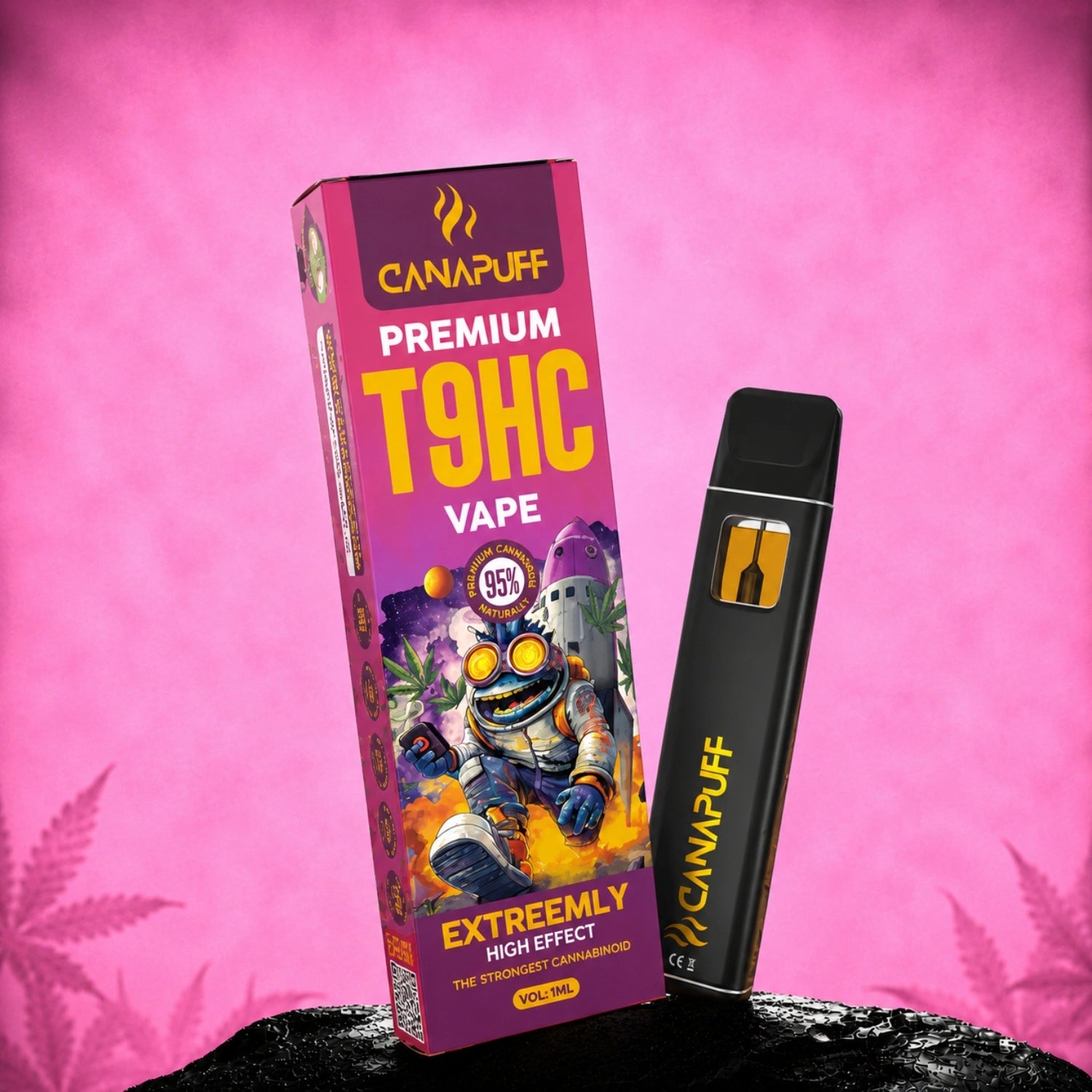
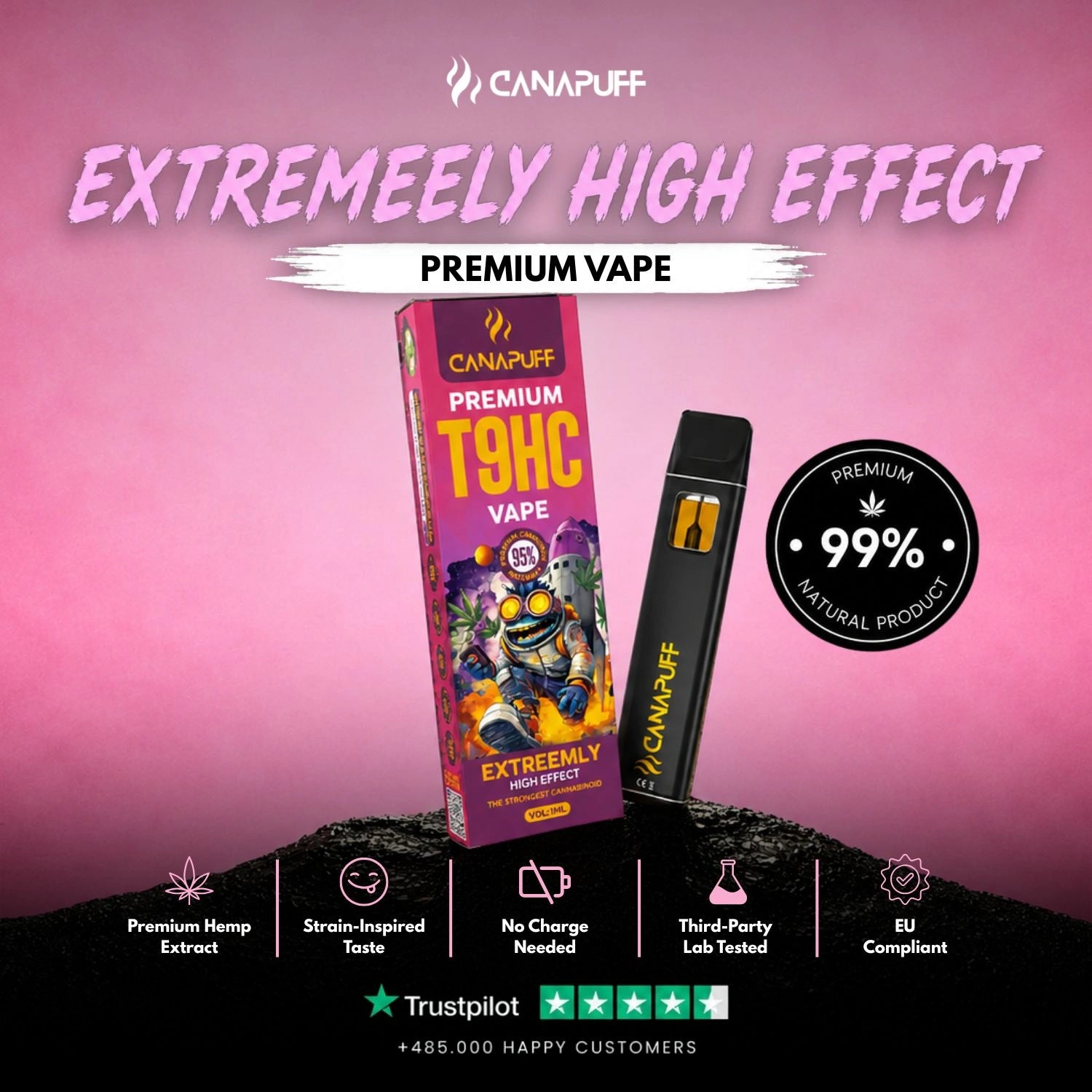
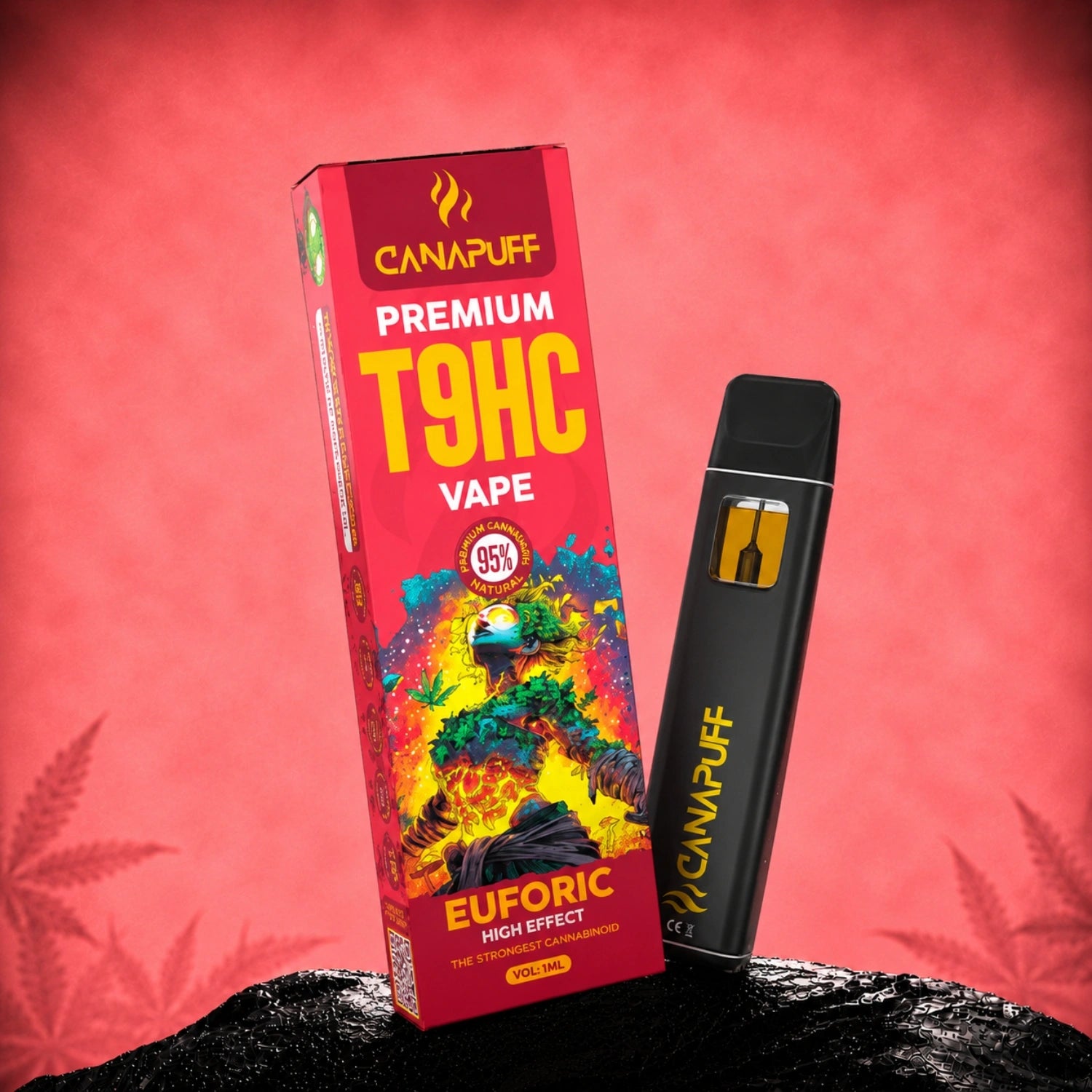
Disposable vape pens. An all-in-one device with the battery, atomizer and oil sealed into one body. You use it until the oil runs out, then dispose of it. Nothing to assemble, charge or refill. Our overview of the benefits of disposable vapes covers this format in detail.
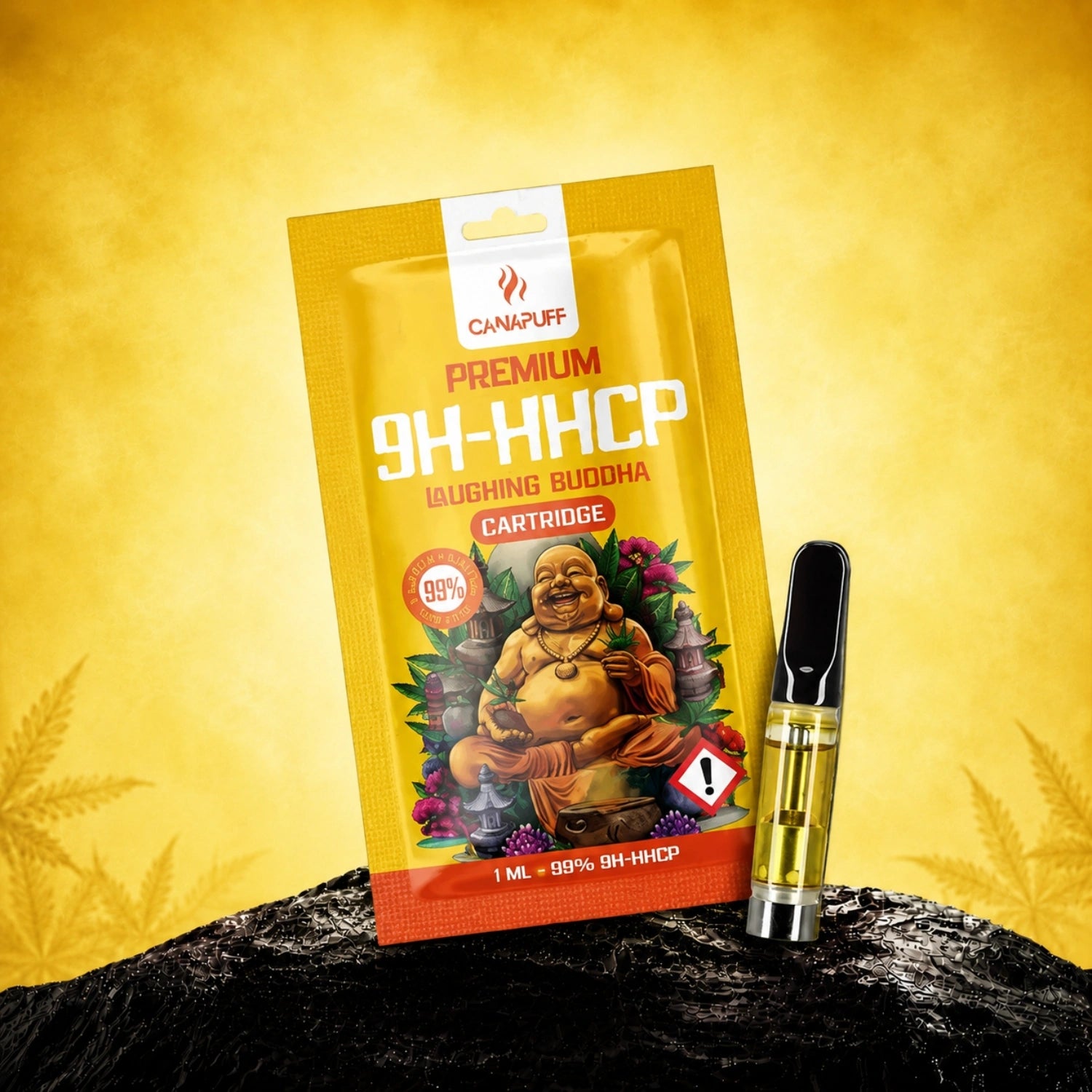
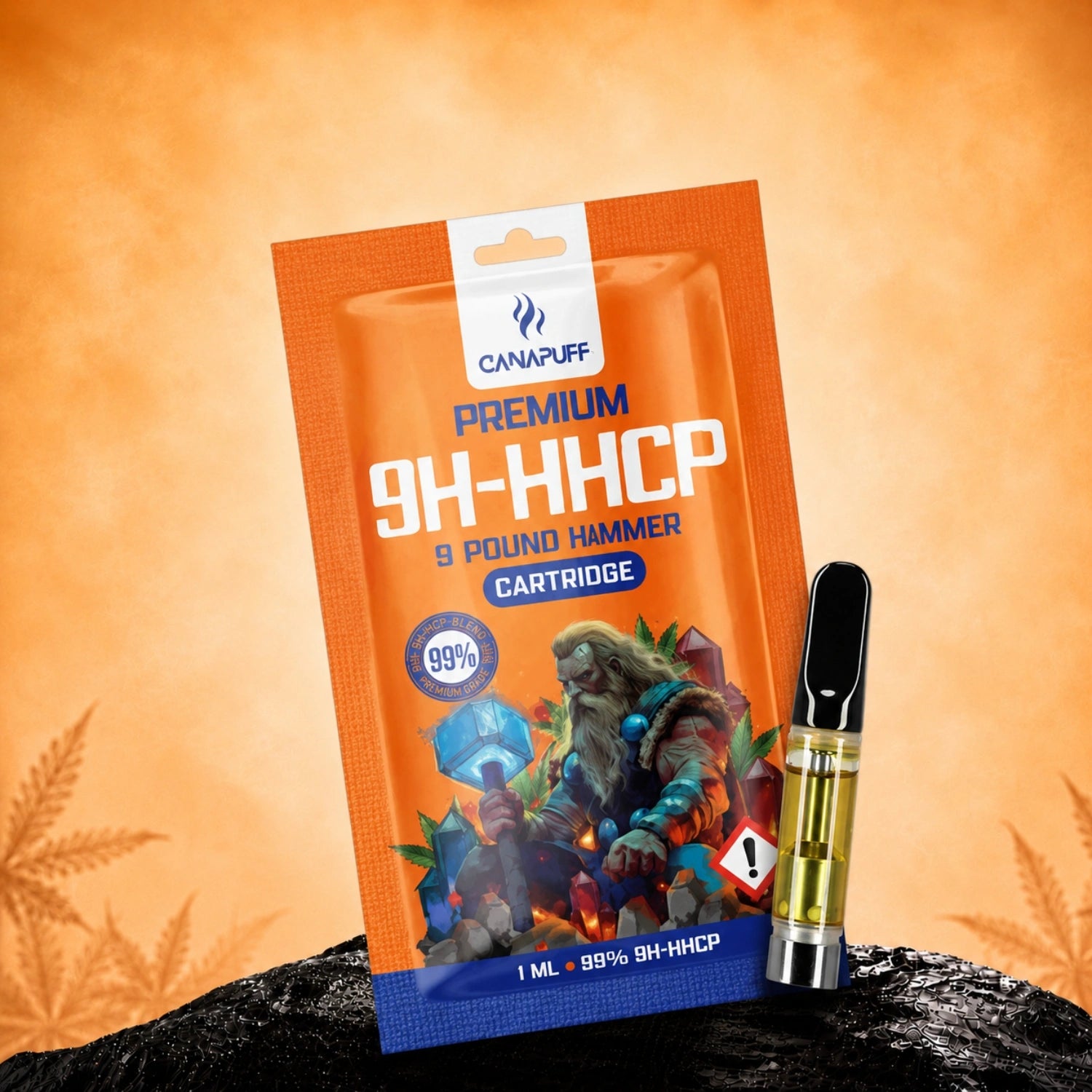
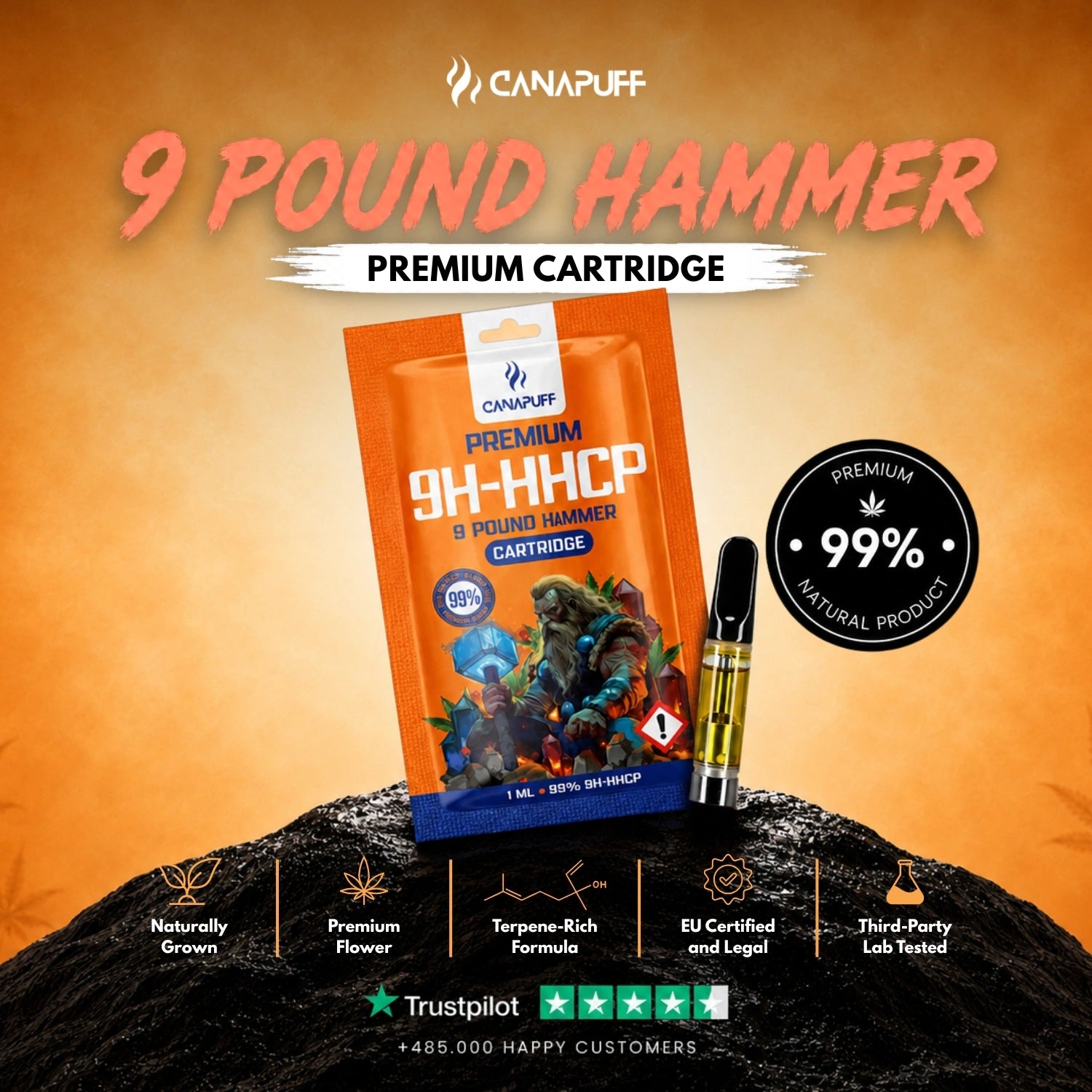
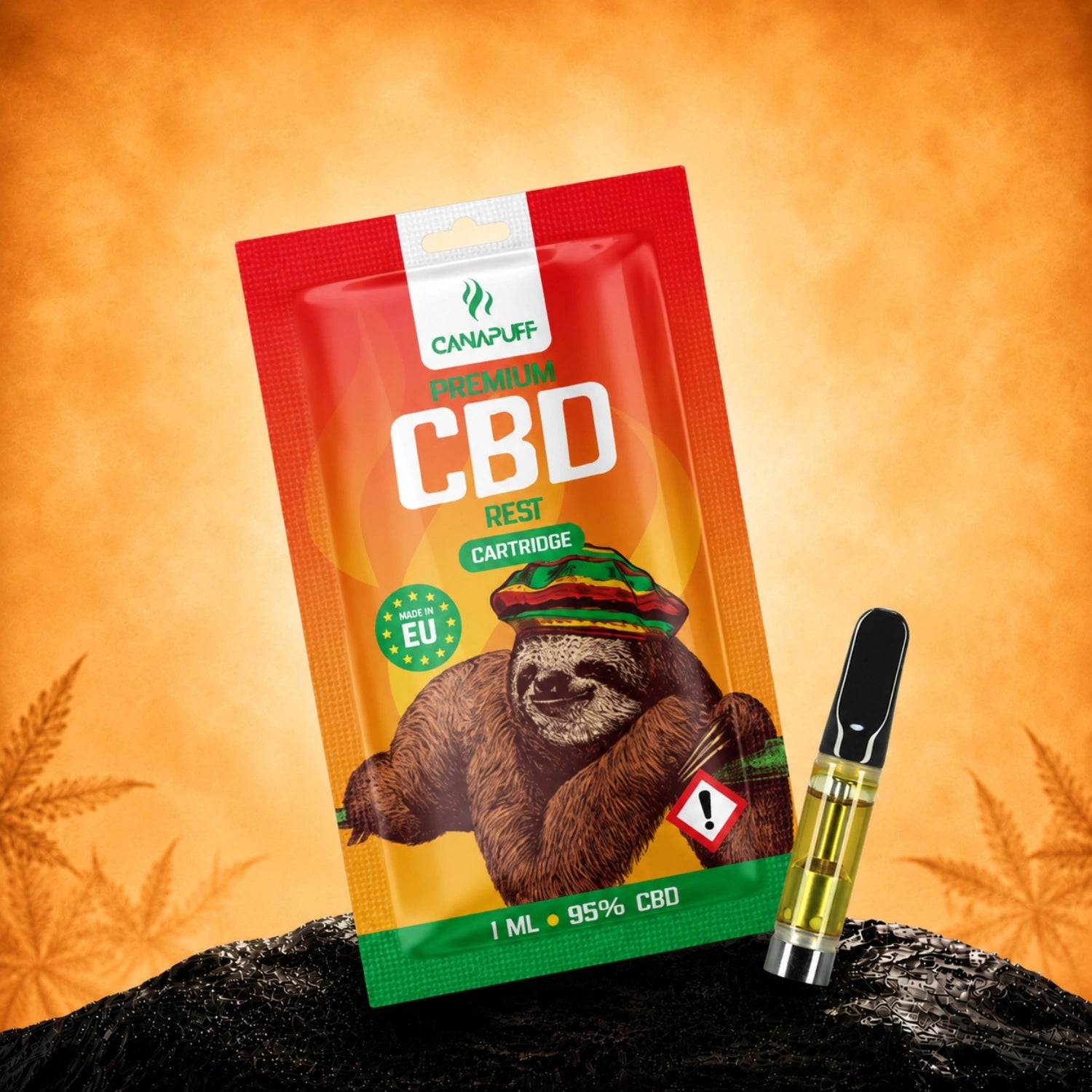
Battery and cartridge pens. A reusable battery, usually with a standard 510 thread, that you pair with a screw-on cartridge filled with oil. When the cartridge is empty you replace it and keep the battery. This is the most common refill-free-but-reusable middle ground.
Refillable tank pens. A reusable device with a tank you fill yourself from a bottle of vape liquid. These give the most control and the lowest running cost, but they need more care: charging, cleaning and correct filling.
Weed pen vs vape cart vs disposable vape
These terms are often mixed up, which makes buying confusing. The distinction is straightforward once you separate the device from the part.
A vape cart is only the cartridge that holds the oil. On its own it does nothing, because it has no power source. A weed pen is the complete device. A disposable vape is a specific kind of weed pen where the battery, atomizer and oil are permanently combined and cannot be refilled. So a disposable is always a pen, a cart is never a pen by itself, and a battery plus a cart together make a pen.
How to choose a cannabinoid vape pen
The right pen depends less on the brand and more on a few practical checks.
- Start with the cannabinoid. Decide what you actually want to vape first, then find a pen that carries it. Milder options suit newcomers, stronger cannabinoids suit experienced users who know their tolerance.
- Check compatibility. If you buy a battery and cartridge separately, make sure the thread matches. The 510 thread is the common standard, but confirm it before buying.
- Look for lab reports. A trustworthy product comes with a certificate of analysis for the oil. Prefer transparent suppliers over big potency claims.
- Weigh convenience against flexibility. A disposable is the easiest entry point. A refillable pen costs less over time and lets you change oils, at the price of charging and cleaning.
If you are unsure which format and cannabinoid fit you, the short Canapuff Quiz gives a personalised suggestion in about a minute. You can also browse the full vape range to compare formats side by side.
How to use and look after a weed pen
Good habits keep any pen working well. Take slow, steady draws rather than long hard pulls, which can overheat the oil and spoil the taste. Store the pen upright in a cool, dry place away from direct sunlight, since heat thins the oil and can cause leaks. For refillable devices, clean the mouthpiece and connection point regularly and charge the battery before it fully drains. For disposables, simply store them upright until finished.
Effects and responsible use
The effects of a weed pen depend entirely on the cannabinoid and dose, not on the device itself. Reported experiences vary widely between people and are anecdotal, not medical outcomes. Vaping is not risk free, and a pen is not suitable for minors, for pregnant or breastfeeding people, or for anyone on prescription medication. Start low, wait to feel the effect before taking more, and check the rules that apply where you live. For a closer look at what to expect from vaping specifically, see our guide to THC vape effects and legality.