














 +
+ +
+















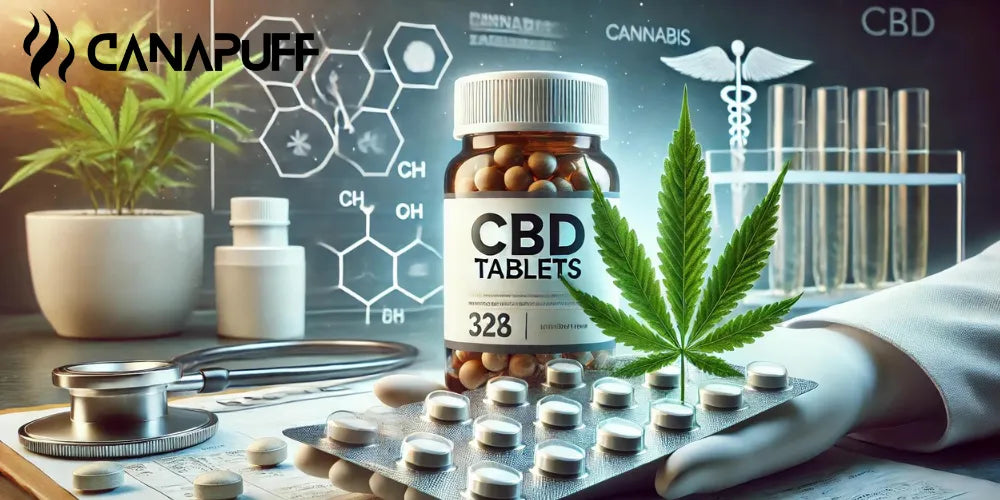
CBD tablets are a simple way to take cannabidiol (CBD), a cannabinoid found in the hemp plant. Each tablet contains a fixed amount of CBD that is stated on the pack, so there is no need to count drops as with oils. Tablets are discreet, easy to carry and fit easily into a daily routine.
What makes CBD tablets practical

A fixed amount per tablet
Each tablet contains a defined amount of CBD, usually stated in milligrams on the label. This makes it easy to see exactly how much CBD one tablet contains.
Little or no taste
Unlike CBD oil, tablets have little or no taste of hemp. Many people find this more pleasant than the earthy flavor of oils.
Easy to take along
Tablets need no pipette and fit into any bag. This makes them a practical choice for work, travel or sports.
Long shelf life
Dry tablets are less sensitive to light and air than oils. Stored in a cool and dry place, they keep well until the best before date.
Discreet
CBD tablets look like ordinary food supplements and have no noticeable smell.
CBD and the endocannabinoid system
The human body has its own endocannabinoid system (ECS), a network of receptors and messenger substances that researchers have been studying since the 1990s. CBD is one of more than 100 known cannabinoids in the cannabis plant. Science is still investigating how CBD interacts with the ECS, and many questions are still open.
Types of CBD tablets

Full spectrum
Full spectrum CBD contains CBD together with the other cannabinoids, terpenes and flavonoids that occur naturally in hemp, including small traces of THC.
Broad spectrum
Broad spectrum CBD also contains several cannabinoids and terpenes from the hemp plant, but the THC has been removed. This type is for people who want a broad hemp extract without THC.
Isolate
CBD isolate contains only pure CBD, with no other cannabinoids, terpenes or THC. It is the choice for people who want CBD on its own without any other hemp compounds.
How to read the label
The pack of CBD tablets tells you the most important facts at a glance:
- CBD per tablet: The amount of CBD in one tablet, stated in milligrams.
- CBD per pack: The total amount of CBD in the whole pack.
- Type of extract: Full spectrum, broad spectrum or isolate.
- Recommended daily intake: The amount the manufacturer recommends per day.
Always follow the manufacturer's instructions on the pack and do not exceed the stated daily intake. If you are pregnant, breastfeeding or taking medication, talk to your doctor before using CBD products.
Choosing the right CBD tablets

When selecting CBD tablets, look at these points:
- Source of CBD: Look for CBD from hemp grown under controlled conditions, ideally organic.
- Extraction method: CO2 extraction is a common method that works without chemical solvents.
- Third party testing: Look for products tested by an independent lab for cannabinoid content and contaminants. Certificates of analysis (COAs) should be easy to find.
- Brand reputation: Choose brands with good reviews that are transparent about their processes.
- Ingredients: Check the full list of ingredients, including fillers, coatings and any added vitamins or minerals.
Possible side effects
Some people report side effects after taking CBD, such as:
- Nausea
- Tiredness
- Diarrhea
- Changes in appetite
- Interactions with other medications
CBD can affect how the body processes certain medications. If you take medication or have health issues, talk to your doctor before using CBD.
Rules for CBD products
The rules for CBD products differ from country to country and can change over time. Check the current regulations in your country before you buy or use CBD products.
Conclusion
CBD tablets are a convenient, almost tasteless and discreet way to take CBD in a fixed amount per tablet. When choosing, look at the type of extract, the CBD content per tablet, the list of ingredients and a current lab report from an independent lab.