














 +
+ +
+





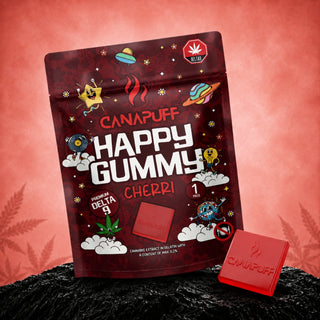
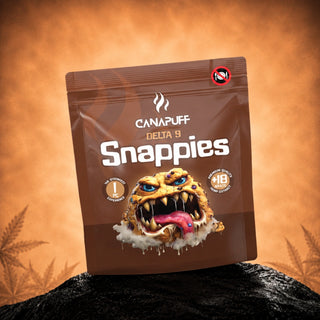
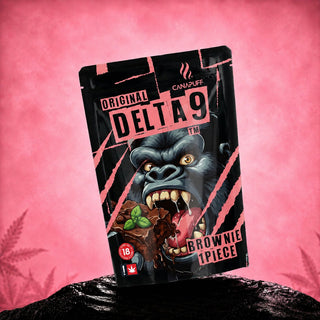


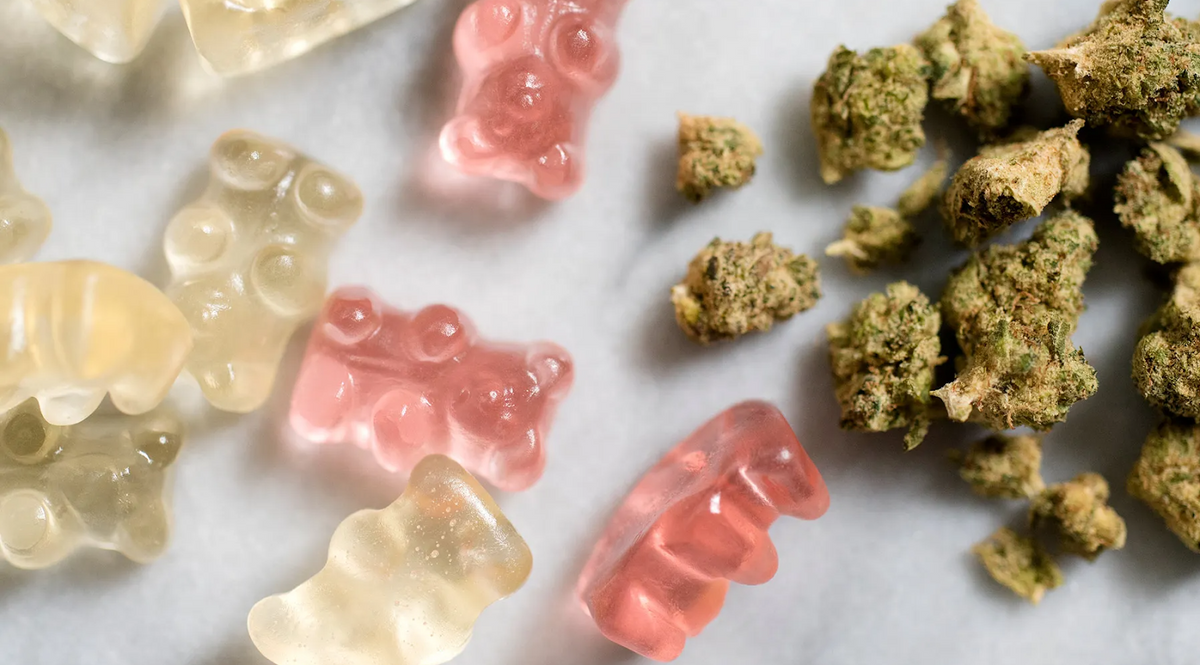
Table of contents
- What are THC edibles? ›
- Types of edibles at a glance ›
- How edibles are made ›
- Ingredients and dietary information ›
- How to read the label ›
- Storage and shelf life ›
- Homemade or ready-made? ›
- How to choose the right edible ›
- Edibles compared with other formats ›
- Common terms on edibles packaging ›
- Rules and travel ›
- Edibles at Canapuff ›
- Conclusion ›
THC edibles are foods and drinks that contain cannabinoids from the cannabis plant. Gummies, chocolate, cookies, brownies and drinks are the best known formats, but the range is much wider. This guide brings everything together in one place: what edibles are, how they are made, which types exist, what to look for on the label, how to store them and how to choose the right product for your taste.
This guide is about products, ingredients and handling. It does not make health statements and does not give dosing advice. Always follow the information on the package, and if you have health questions, talk to a doctor.
What are THC edibles?
An edible is any product that you eat or drink and that contains cannabinoids. In the raw plant, THC is mostly present as THCA. Only after heating, a process called decarboxylation, is it converted into THC. That is why edibles are made with an extract, an infused oil or an infused butter that has already been heated, and not with raw plant material.
The cannabinoid extract is then mixed into a base such as a gummy mass, chocolate, dough or a drink. Good manufacturers make sure the extract is spread evenly, so that every piece of a batch contains the same amount.
Types of edibles at a glance
| Type | Typical base | Taste and texture | Good to know |
|---|---|---|---|
| Gummies | Gelatin or pectin, sugar, fruit flavors | Chewy, fruity, many flavors | Easy to portion, clearly separated pieces |
| Chocolate | Milk, dark or white chocolate | Creamy, rich, cocoa notes | Sensitive to heat |
| Cookies | Flour, butter, sugar | Crunchy or soft, classic bakery taste | Often contain gluten, milk and nuts |
| Brownies | Chocolate, butter, flour | Dense, moist, chocolatey | Shorter shelf life than gummies |
| Drinks | Water, juice, soda or tea with an emulsion | Refreshing, light | Shake before opening, keep cool after opening |
| Hard candy | Sugar, glucose syrup, flavors | Hard, slowly dissolving | Long shelf life when stored dry |
Gummies
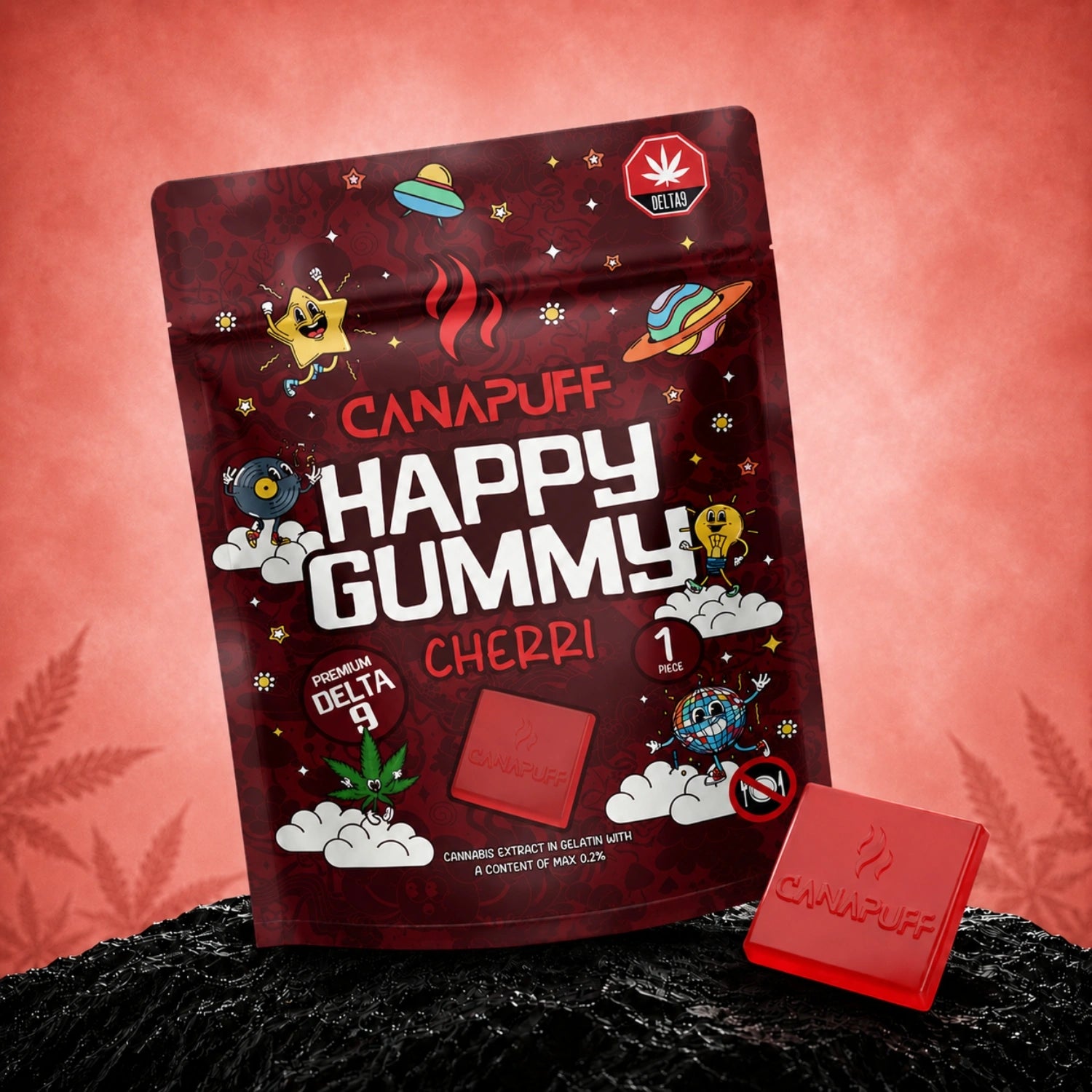
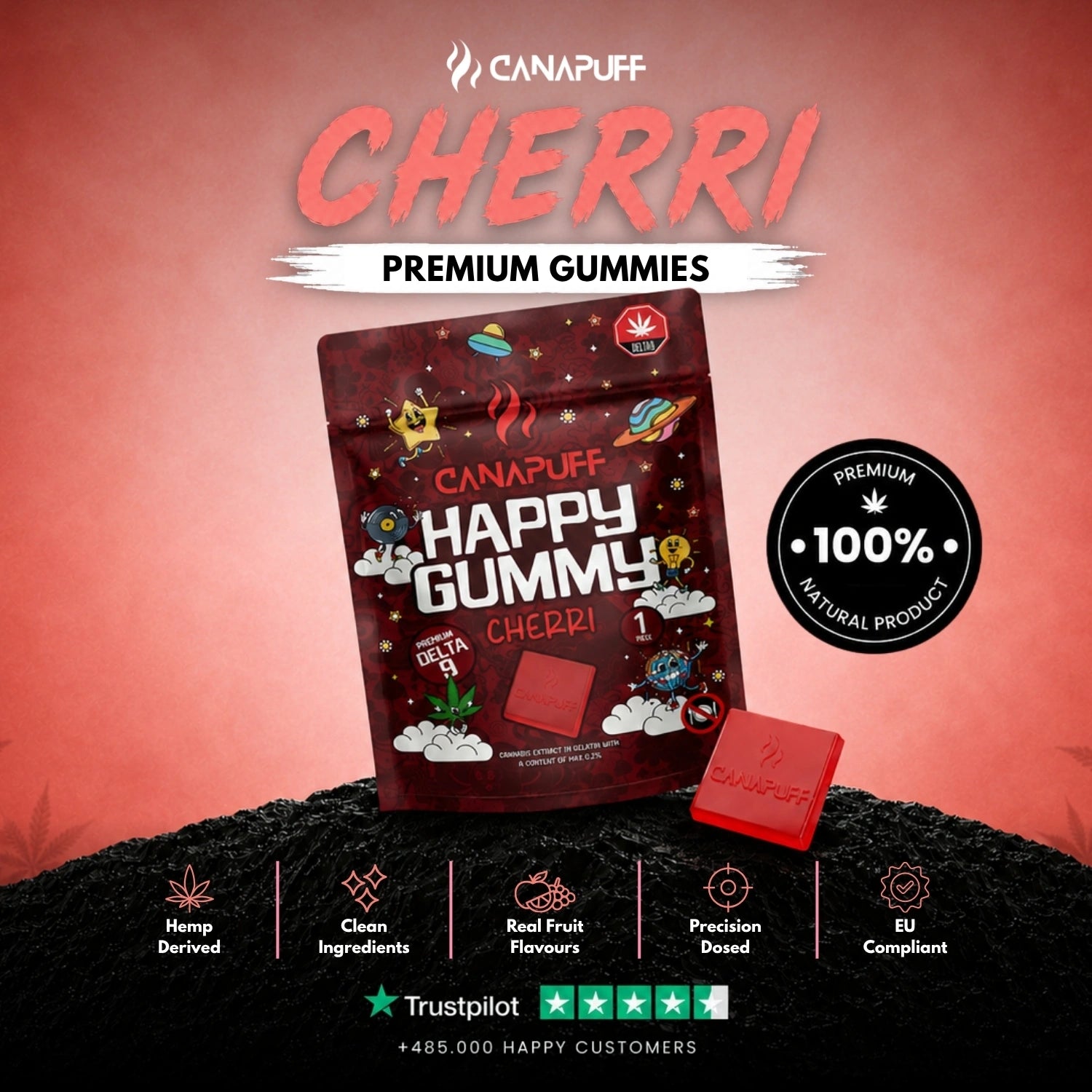
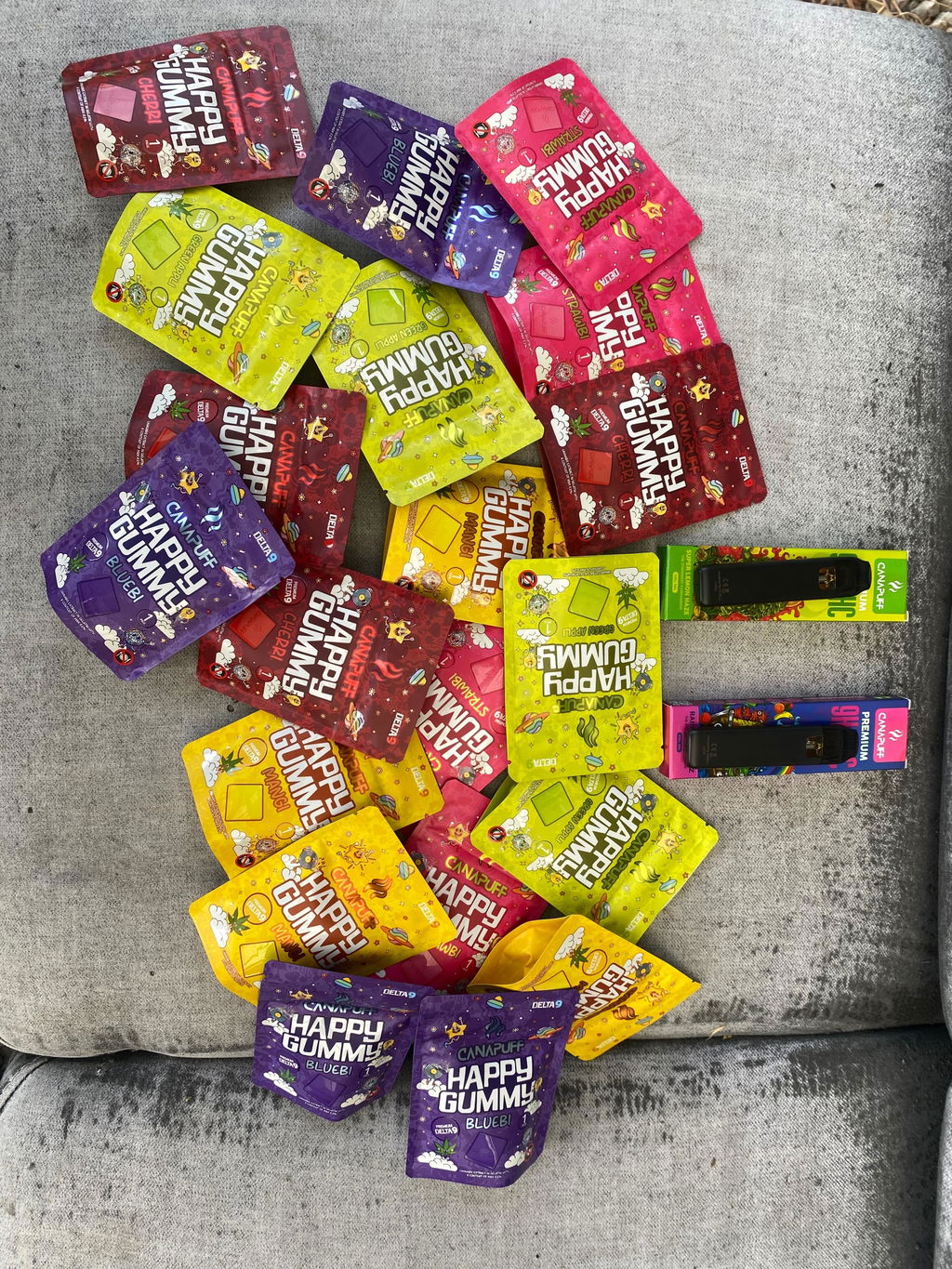
Gummies are the most popular edible. They are made with gelatin or, for a vegan option, with pectin from fruit. The flavor comes from fruit juice concentrates or flavorings, and many gummies are coated with sugar or a sour powder. Each gummy is a separate piece, which makes it easy to see how much one piece contains. You can find a selection in our THC gummies collection, for example Happy Gummy Cherri.
Chocolate
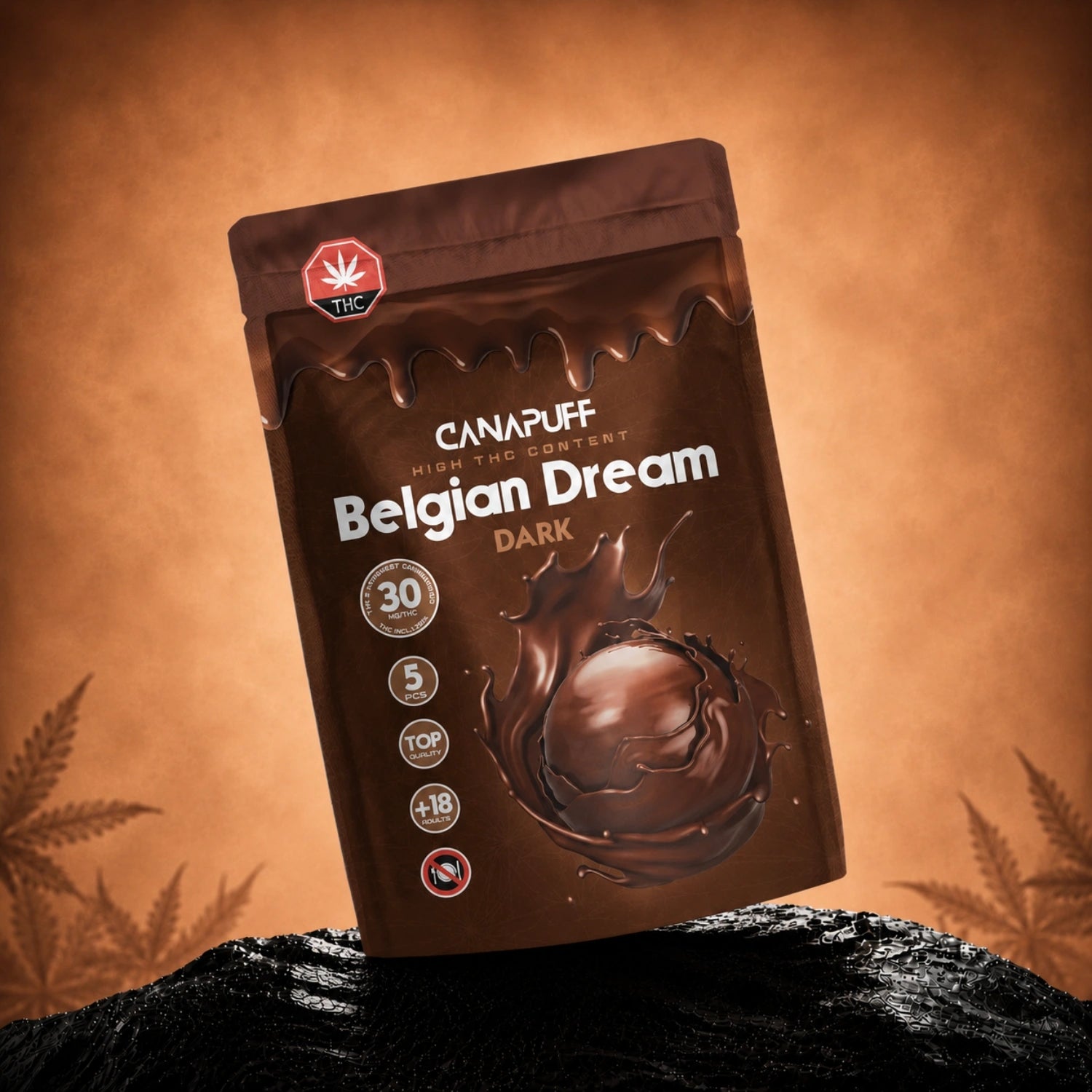
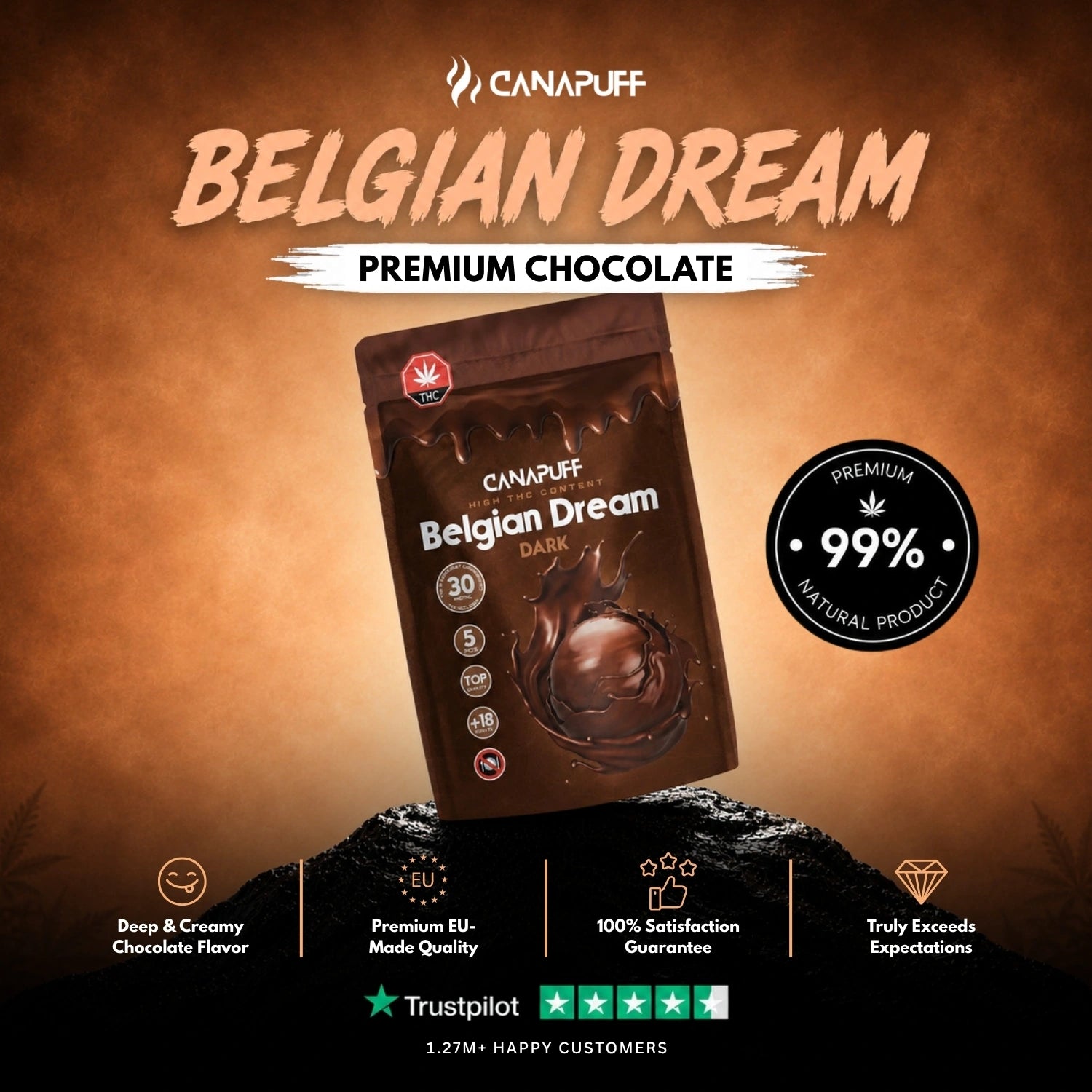
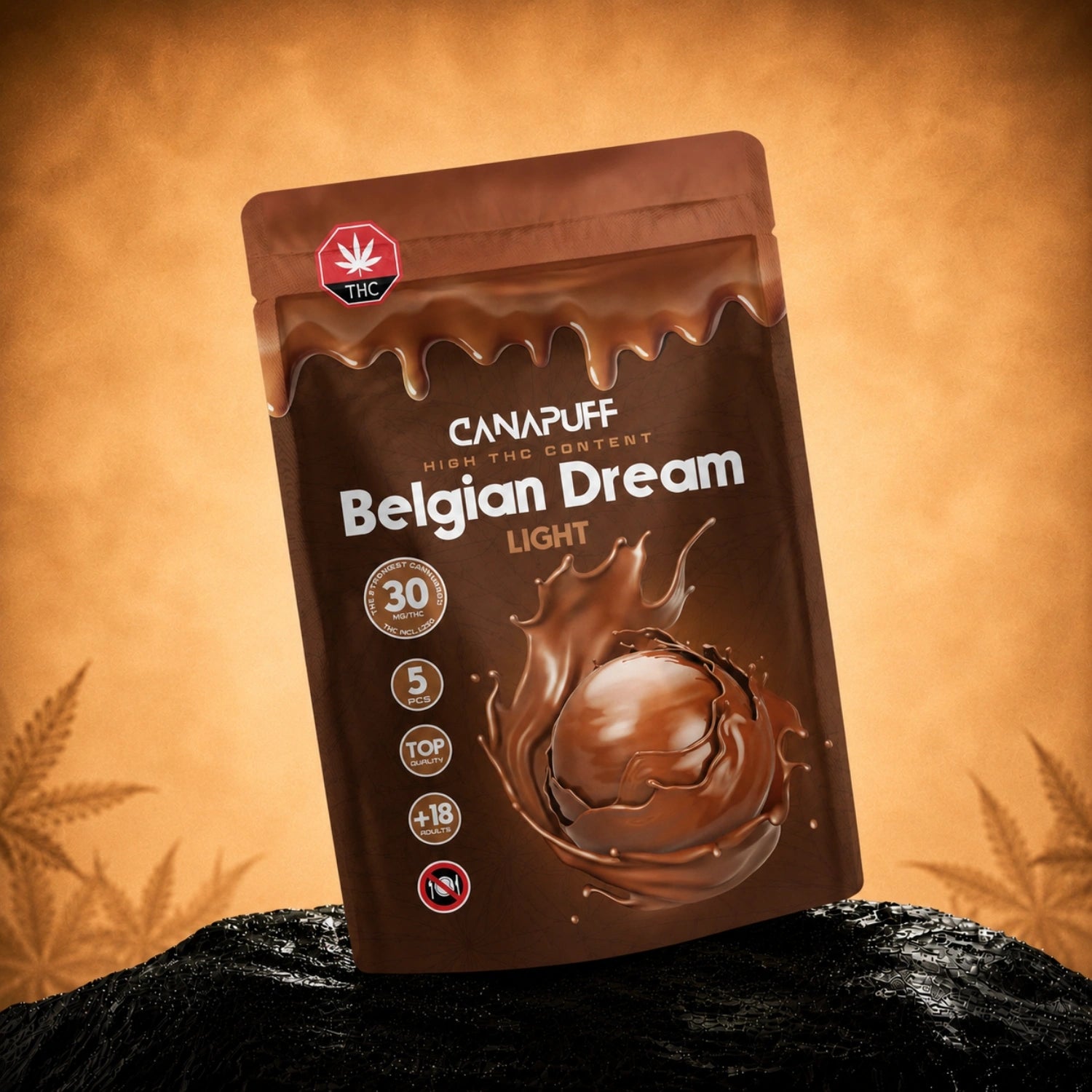
Chocolate is a classic carrier for cannabinoids because fat dissolves cannabinoid extracts well. Milk chocolate tastes sweet and creamy, dark chocolate is more bitter and intense. Chocolate bars are usually divided into squares, so the label shows how much each square contains. Examples are Happy Chocolate Milk and Happy Chocolate Bitter.
Cookies and brownies
Baked goods are the traditional edibles. Cannabis butter or oil replaces part of the normal fat in the recipe. Cookies are crunchy or soft, brownies are dense and chocolatey. Because they contain flour, butter and often nuts, it is worth checking the allergen information. Examples are Happy Brownies, Happy Snappies and Happy Cookies.
Drinks
Cannabinoids do not dissolve in water. For drinks, manufacturers therefore use emulsions, in which the extract is broken down into very small droplets so it can mix with the liquid. Drinks range from sodas and iced teas to juices and syrups. You can find them in our THC drinks collection.
Other formats
Besides the classics there are hard candies, lollipops, mints, honey, spreads and savory snacks. Capsules and oils are often mentioned together with edibles, but they are separate product groups with their own labels and use.
How edibles are made
The quality of an edible depends a lot on how the cannabinoid extract is made and mixed in. The most common types of extract are:
- Distillate: a highly refined extract that contains mainly one cannabinoid and has almost no taste. It is easy to dose evenly in production.
- Full spectrum extract: contains several cannabinoids and terpenes from the plant. It can add a slightly herbal taste.
- Isolate: a single cannabinoid in crystalline form, without taste or smell.
- Infused butter or oil: plant material that has been heated in fat. This is the classic method for home baking, but it is hard to know the exact content without a lab test.
In professional production, the extract is mixed into the base in a controlled way, and each batch is tested in a lab. The result is a certificate of analysis (COA) that shows the cannabinoid content of that batch.
Ingredients and dietary information
Edibles are food, so the same questions apply as for any other sweet or snack:
- Sugar: most gummies, chocolates and baked goods contain sugar or glucose syrup. Some products use sweeteners instead.
- Gelatin or pectin: gelatin comes from animals, pectin from fruit. If you eat vegetarian or vegan, look for pectin.
- Allergens: milk, gluten, nuts, soy and eggs are common in chocolate and baked goods. They must be listed on the package.
- Colors and flavors: natural or artificial colors and flavorings give gummies their look and taste.
How to read the label
A good label tells you everything you need to compare products. Look for:
- Cannabinoid content per piece and per pack: the amount in milligrams for one gummy, one square or one bottle, and for the whole package.
- Number of pieces: how many servings are in the pack.
- Batch number and best before date: these connect the product to its lab report and show how long it keeps.
- Lab report: a certificate of analysis from an independent lab, often available via QR code.
- Ingredients and allergens: the full list, just like on any food.
- Storage instructions and manufacturer: how to store the product and who is responsible for it.
If information is missing, for example there is no batch number or no lab report, it is hard to know what the product really contains.
Storage and shelf life
Edibles look like normal sweets and snacks. That is why storage matters so much:
- Out of reach of children and pets: keep edibles in their original packaging, ideally in a lockable or child resistant container, and never together with normal sweets.
- Cool, dry and dark: heat makes gummies sticky and chocolate soft, light and air can reduce cannabinoid content over time.
- Airtight: baked goods dry out and gummies can absorb moisture if the pack stays open.
- Drinks after opening: keep them in the fridge and use them soon.
- Best before date: check it regularly, especially for baked goods, which keep for a shorter time than gummies or hard candy.
Chocolate that has been too warm can show a whitish layer, known as bloom. It is a change in the cocoa butter or sugar and mostly affects the look and texture.
Homemade or ready-made?
Recipes for homemade gummies, cookies or brownies are popular, but they have one big disadvantage: without a lab test, nobody knows how much a piece really contains, and the content can be very uneven within one batch. Ready-made edibles from a reputable manufacturer are produced in a controlled way and come with a lab report for each batch, which makes them easier to compare.
How to choose the right edible
- Taste: fruity gummies, chocolate, classic bakery or something to drink.
- Format: small separate pieces are easy to portion, bars and baked goods often need to be divided.
- Diet: vegan, gluten free or sugar free options, and allergens.
- Transparency: clear label, batch number and lab report.
- Pack size and price per piece: compare the content per piece and the price, not only the pack price.
Edibles compared with other formats
Edibles are one of several ways to use cannabinoid products. In everyday handling, they differ from vapes and flowers in a few practical points:
| Aspect | Edibles | Vapes and flowers |
|---|---|---|
| Device | None needed | Vape, battery, papers or grinder |
| Smell | Like the food itself | Vapor or smoke with a typical smell |
| Portioning | Fixed content per piece, shown on the label | Depends on the device and the user |
| Storage | Like food, with a best before date | Dry and dark, often longer lasting |
Common terms on edibles packaging
- mg per piece: the amount of a cannabinoid in one gummy, square or cookie.
- Delta-9 THC: the chemical name of the best known form of THC. Product names such as delta 9 gummies refer to it.
- THCV, CBN or CBD: other cannabinoids that are sometimes combined with THC or used on their own, for example in THCV gummies.
- Full spectrum, distillate, isolate: the type of extract used, see above.
- Emulsion or water soluble: a technique that makes cannabinoids mix with liquids, mainly used in drinks.
- Batch and COA: the production batch and its certificate of analysis from a lab.
- Vegan, gluten free, sugar free: dietary information, just like on normal food.
Rules and travel
Rules for cannabinoid products differ from country to country and change often. Always check the current rules in your country, and keep in mind that different rules may apply when you travel.
Edibles at Canapuff
You can find all edibles in our THC edibles collection: gummies in many flavors, chocolate, cookies, brownies and more. For something to drink, take a look at our THC drinks.
Conclusion
THC edibles come in many forms, from gummies and chocolate to cookies, brownies and drinks. What they have in common is a cannabinoid extract mixed into a food base. If you understand how edibles are made, what the label tells you and how to store them correctly, you can compare products much more easily and choose the format that fits your taste.