















 +
+ +
+


















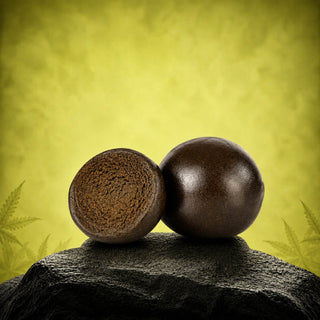







When it comes to legendary cannabis strains, Kush holds a special place for enthusiasts and growers worldwide. But what is Kush, really? Is it just another name for strong weed, or does it stand for a history and a set of characteristics of its own? Kush is more than a buzzword in the cannabis community. It describes a family of strains that goes back to one specific mountain region and has shaped modern cannabis breeding.
Kush strains are known for their dense buds, complex aromas and extraordinary resilience, which goes back to the harsh climate of the Hindu Kush mountain range. From the original landraces to OG Kush, Bubba Kush and many modern hybrids, the world of Kush is vast and full of fascinating stories. In this guide we look at where Kush comes from, how its genetics work, what makes its aroma so typical, which Kush strains are the best known and how growing Kush developed over the decades.
Kush at a glance
| Origin | Hindu Kush mountain range in Afghanistan and Pakistan |
| Genetics | Mostly indica dominant landraces and hybrids |
| Aroma | Earthy, woody, hashy, often with pine, citrus or spice |
| Typical terpenes | Myrcene, beta-caryophyllene, limonene, humulene, pinene |
| Plant structure | Compact and bushy, broad dark leaves, dense and resinous buds |
| Flowering time | Often around 7 to 9 weeks indoors, depending on the strain |
| Well known strains | Hindu Kush, Afghan Kush, OG Kush, Bubba Kush, Purple Kush, Master Kush |
The rich history of Kush cannabis

To fully appreciate Kush cannabis, it helps to understand its origins. The name "Kush" comes from the Hindu Kush, a mountain range of about 800 kilometers that runs through Afghanistan and northwestern Pakistan. Its highest peak, Tirich Mir in Pakistan, rises to more than 7,700 meters. This rugged landscape is one of the regions where cannabis has been grown for a very long time. The local plants, known as landraces, adapted to the mountain environment over many generations.
The Hindu Kush mountains: the birthplace of Kush
The Hindu Kush mountains played a key role in the genetic development of Kush cannabis. With cold nights, high altitudes, short summers and rocky soil, only the most resilient plants could survive. Over many generations, these plants developed a thick, resinous coating as protection against harsh weather and pests. This resin is the reason for the high trichome density of Kush strains and makes them a favorite for hash production.
The adaptation to extreme conditions gave Kush cannabis some of its most defining characteristics: compact plants, dense and chunky buds, a short flowering period that fits the short mountain summer, and a strong, earthy aroma.
A long tradition of hashish
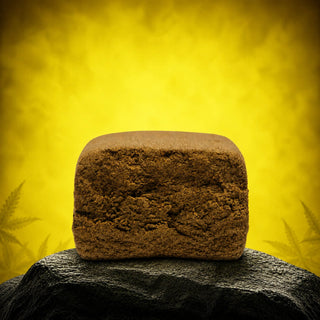
In Afghanistan and the neighboring regions of Pakistan, cannabis was traditionally grown for hashish. Farmers dried the plants and sieved the resin glands through fine cloth, then pressed the collected powder into blocks. Afghan and Pakistani hashish became well known far beyond the region. This tradition explains why the local landraces were selected for heavy resin production long before modern breeders took an interest in them.
The spread of Kush to the Western world
The story of how Kush reached the Western world is as fascinating as the plant itself. In the 1960s and 1970s, many young travelers followed the so called Hippie Trail from Europe through Turkey, Iran and Afghanistan to India and Nepal. Some of them brought seeds from the Hindu Kush region back home, especially to California and to the Netherlands, where cannabis scenes were already active.
Breeders quickly saw the value of these genetics. Compared with the tall tropical sativas that were common at the time, the plants from the Hindu Kush were short, sturdy and ready to harvest much earlier. That made them a perfect match for growers in cooler climates and, a little later, for indoor growing.
From landrace to seed bank
In the 1980s, Dutch seed companies began to collect, stabilize and sell Afghan and Hindu Kush genetics. Pure Hindu Kush and Afghani lines were among the first seeds that were widely available, and Afghan genetics became part of many classic hybrids of that era. Seed catalogs made Kush genetics accessible to growers all over Europe and North America.
The OG Kush era
In the 1990s, a new chapter began with OG Kush. According to the most common story, it appeared in Florida in the early 1990s and was later brought to Los Angeles, where it became one of the defining strains of the West Coast. OG Kush and its many descendants made the word "Kush" famous far beyond the cannabis scene and inspired countless hybrids that are still bred today.
Kush genetics: what makes a strain a Kush?
"Kush" is not a protected term. In practice, it is used for two groups of strains: the original landraces from the Hindu Kush region and the many hybrids that carry their genetics or descend from OG Kush.
The original landraces
The classic landraces include Hindu Kush, Afghani and Pakistani lines such as Chitral Kush from the Chitral valley in northern Pakistan. Each valley and village had its own local varieties, so even the landraces differ in color, aroma and plant shape. Botanists often describe these plants as broad leaf drug type cannabis, a group that most people today simply call indica.
Indica dominant structure
Most Kush varieties are indica dominant. The plants stay compact and bushy, with broad, dark leaves, short distances between the nodes and a relatively short flowering time. Many modern Kush hybrids also carry sativa genetics, which shows in taller growth and fruitier, more citrusy aromas. Because of this variety, the Kush family covers a wide range of aromas, plant shapes and cannabinoid profiles.
Why breeders use Kush genetics
Breeders value Kush genetics for a few practical reasons: the plants are stable, they produce a lot of resin, they finish early and they pass on their dense bud structure. Crossing a Kush with another strain is a common way to add structure, resin production and an earthy, hashy note to a new hybrid.
The OG Kush family tree
The exact parents of OG Kush are not documented. The most widely repeated version names Chemdawg, Lemon Thai and a Hindu Kush or Pakistani Kush line. OG Kush itself was passed around as clones, which led to many cuts and phenotypes with their own names, for example SFV OG, Tahoe OG and Fire OG. Many of today's well known hybrids, such as Headband and Girl Scout Cookies, have OG Kush in their lineage.
The unique characteristics of Kush
Kush strains are known for distinct characteristics that set them apart from other cannabis varieties. Aroma, flavor and appearance make Kush instantly recognizable.
Aroma and flavor profile
The aroma of Kush cannabis is one of its most distinguishing features. Kush strains often have a strong, earthy scent, reminiscent of pine, sandalwood and hash. This rich aroma is often accompanied by hints of citrus, floral notes or a skunky undertone. The flavor is just as complex and can be spicy, herbal or sweet, depending on the strain.
For many connoisseurs, the flavor of Kush is a big part of what makes it special. Some strains have a sweet, grape-like taste, while others are more pungent and diesel-like. OG Kush descendants are often described as fuel, lemon and pine, while Bubba Kush lines tend towards coffee, chocolate and sweet earth.
Typical terpenes in Kush
Terpenes are the aromatic compounds that give each strain its smell and taste. These terpenes are common in Kush strains:
| Terpene | Aroma notes |
|---|---|
| Myrcene | Earthy, musky, slightly fruity |
| Beta-caryophyllene | Peppery, spicy, woody |
| Limonene | Fresh citrus, lemon |
| Humulene | Woody, earthy, similar to hops |
| Pinene | Pine needles, fresh forest |
Together they create the typical Kush aroma of earth, pine and hash. The exact terpene profile differs from strain to strain and even from batch to batch.
Appearance: dense buds and vibrant colors
Visually, Kush strains are stunning. They typically have dense, chunky buds covered in a thick layer of resinous trichomes. The leaves are dark green, but depending on the genetics and growing conditions, Kush strains can also show purple hues. This purple coloring is often stronger in plants that were exposed to cooler night temperatures during flowering.
The buds are heavy and compact. The thick layer of trichomes gives them a frosty, glittering look, a sign of the high resin production of these strains.
Well known Kush strains

Kush genetics led to the development of countless strains, each with its own characteristics. Here are some of the most popular and influential Kush strains, from the original landraces to modern hybrids.
1. Hindu Kush
Hindu Kush is the landrace that gave the whole family its name. It is a pure indica from the mountains of Afghanistan and Pakistan with a compact build, broad leaves and a heavy layer of resin. Its aroma is earthy and woody with notes of sandalwood and hash. Hindu Kush was one of the first landraces offered by seed banks and is still used as a parent in breeding today.
2. Afghan Kush
Afghan Kush, often simply called Afghani, comes from the same wider region. It is the classic hash plant of Afghanistan, with very dense buds and a strong, spicy and hashy aroma. Afghan genetics are found in many well known hybrids of the 1980s and 1990s.
3. OG Kush
OG Kush is a legendary strain that set the standard for Kush hybrids. It is known for its pungent, earthy aroma with notes of pine, lemon and fuel. Its origins are somewhat of a mystery, but it is widely believed to be a cross of Chemdawg, Lemon Thai and a Hindu Kush landrace. What "OG" stands for is also disputed: some say "Ocean Grown", others say "Original Gangster".
OG Kush has been used as a parent strain for many other famous hybrids, such as Girl Scout Cookies and Headband, which secured its place in cannabis history.
4. Bubba Kush
The origins of Bubba Kush go back to the mid 1990s in the United States, when an OG Kush plant was crossed with an unknown indica strain. Some sources name Northern Lights as the second parent. The result was Bubba Kush, a compact, indica dominant strain that quickly became famous for its rich terpene profile with notes of coffee, chocolate and sweet earth.
5. Purple Kush
Purple Kush is a pure indica strain from the Oakland area in California that comes from a cross of Hindu Kush and Purple Afghani. It is famous for its striking purple buds and its sweet, grape-like aroma. Growers like it for its relatively short flowering time and compact structure.
6. Master Kush
Master Kush is another indica strain with its roots in the Hindu Kush mountains. It was bred in the Netherlands from two landraces of the region and is known for its earthy, citrusy flavor and its hash-like aroma. It remains a classic that many people know by name.
7. Kosher Kush
Kosher Kush is an OG Kush descendant from Los Angeles. It became known in the early 2010s when it won awards at the Cannabis Cup in Amsterdam. Its aroma is earthy and sweet with a strong fuel note that is typical for OG lines.
8. Critical Kush
Critical Kush combines Critical Mass with OG Kush. It was developed by a Dutch seed company and is known for heavy, compact buds and an earthy, spicy aroma with a slightly sweet finish.
9. Pink Kush
Pink Kush comes from Canada and is usually described as an OG Kush descendant. It got its name from the pink shimmer of its pistils. Its aroma is sweet and floral with the earthy base that is typical for Kush.
10. Kush Mints
Kush Mints is a modern hybrid of Bubba Kush and Animal Mints. It shows how Kush genetics are still used in current breeding: the earthy Kush base meets fresh, minty and sweet notes.
11. Skywalker OG
Skywalker OG is a hybrid that combines the genetics of OG Kush and Skywalker. It has a pungent, earthy aroma with hints of spice and berries.
Kush names also appear in many newer products and blends, for example Gorilla Kush or Fire Kush. In these cases the name usually describes the aroma profile.
Cannabinoids and lab reports
Kush strains are known for rich resin production and complex terpene profiles. The exact cannabinoid values differ from strain to strain and from batch to batch.
Cannabinoid content
Many Kush strains were bred for a high THC content, while the CBD content is usually low. Some modern Kush hybrids are bred with a more balanced ratio of THC and CBD.
Why lab reports matter
The only reliable way to know the cannabinoid and terpene content of a product is a lab report for the specific batch. Look for a certificate of analysis from an independent lab.
Growing Kush: a short history of cultivation
Growing Kush has changed a lot over the decades, from mountain fields to modern grow rooms.
From mountain fields to indoor grow rooms
In the Hindu Kush, cannabis was grown outdoors in small fields and harvested in autumn before the first frost. When the genetics reached North America and Europe, growers soon noticed that the short, bushy plants were well suited to small indoor spaces. From the 1980s onwards, indoor growing became more common, and Kush and Afghan lines became a standard choice because of their compact size and short flowering time.
Typical cultivation traits
Kush plants are known as robust and fairly easy to grow. They grow well both indoors and outdoors, but indoor growing allows more control over temperature and humidity. Kush plants prefer a warm, dry climate and need plenty of light during flowering. Because the buds are so dense, they can hold moisture, so good airflow is important to prevent mold.
Tips for a successful harvest
- Prune regularly: Kush plants can become bushy, so regular pruning improves air circulation and helps prevent mold.
- Monitor humidity: Keeping humidity between 40 and 50% during flowering helps prevent mold and mildew.
- Use quality nutrients: Kush plants are heavy feeders, so the right nutrients can improve both yield and resin production.
- Plan for cool nights: Slightly cooler night temperatures towards the end of flowering can bring out purple colors in some Kush strains.
Rules for growing cannabis at home differ from country to country, so always check the rules where you live before you start.
Conclusion
Kush cannabis is more than just a name. It is a lineage with a long history and a lasting impact on cannabis culture. From the hash fields of the Hindu Kush to seed banks and grow rooms around the world, Kush strains have become known for compact plants, dense, resinous buds and earthy aromas.
Understanding where Kush comes from, how its genetics developed and what shapes its aroma can deepen your appreciation for this legendary strain family. As cannabis breeding continues to evolve, Kush will remain a cornerstone, celebrated for its rich flavors and unique heritage.