










 +
 +
























Cannabis sativa is the scientific name of the cannabis plant and, in everyday language, also the name of one plant type. In this article you can read where the name comes from, how sativa plants look and grow, how they differ from indica plants and which sativa strains are well known. Browse our products and our CBD range in the shop.
Where does the name come from?
The Swedish botanist Carl Linnaeus named the plant Cannabis sativa in 1753 (Wikipedia: Cannabis sativa). "Sativa" is Latin and means "cultivated". In 1785 the French botanist Jean-Baptiste Lamarck described a second type from India and called it Cannabis indica (Wikipedia: Cannabis indica). Cannabis was probably first domesticated in East Asia thousands of years ago.
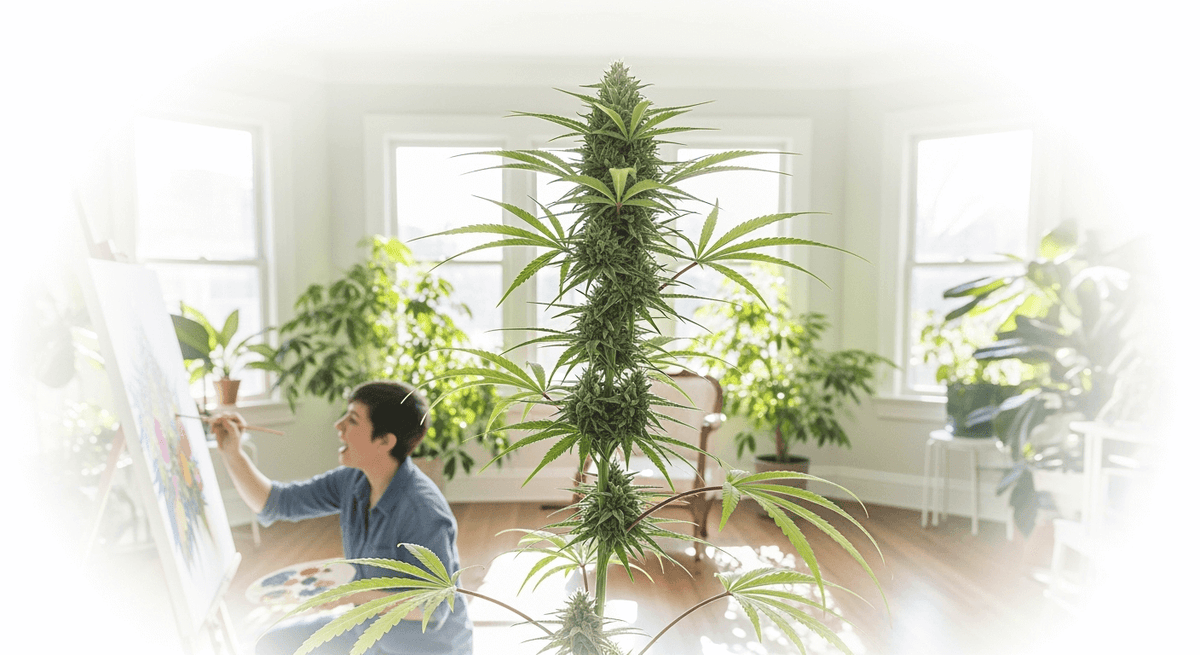
How sativa plants look
- Height: tall plants, outdoors often more than 2 metres.
- Leaves: long, narrow leaflets in a light green colour.
- Buds: longer and less dense than indica buds.
- Origin: traditional sativa varieties come from warm regions near the equator, such as Thailand, Colombia, Mexico and parts of Africa.
How sativa plants grow
Sativa plants usually need more space and a longer flowering time than indica plants. Many sativa varieties flower for 10 to 14 weeks. In cooler climates, the long flowering time can make outdoor growing difficult.
Sativa and indica: the main differences
| Feature | Sativa | Indica |
| Height | Tall | Short and bushy |
| Leaves | Long and narrow | Short and wide |
| Flowering time | Often 10 to 14 weeks | Often 7 to 9 weeks |
| Traditional origin | Regions near the equator | Mountain regions of Central and South Asia |
Modern research shows that the names sativa and indica describe the shape of the plant better than its chemistry. The content of cannabinoids and terpenes can differ a lot between two plants of the same type. Read more in our article on the difference between indica and sativa.
Hybrids
Most strains sold today are hybrids, which means they have both sativa and indica parents. Breeders often describe them as sativa-dominant, indica-dominant or balanced.
Well known sativa strains
| Strain | Aroma |
| Jack Herer | Pine, spice, citrus |
| Durban Poison | Sweet, anise, earthy |
| Super Lemon Haze | Lemon, sweet, sour |
| Tangie | Tangerine, earthy |
| Strawberry Cough | Strawberry, fresh |
Many sativa strains have a fresh, citrusy or spicy aroma. Typical terpenes are limonene, terpinolene and pinene (Wikipedia: Terpene). Read more about citrus aromas in our article on orange weed strains.
Frequently asked questions
What does sativa mean?
Sativa is Latin and means cultivated. Carl Linnaeus used the name Cannabis sativa in 1753.
What is the difference between sativa and indica?
Sativa plants are taller, have narrow leaves and a longer flowering time. Indica plants are shorter and bushier with wide leaves.
Are most strains pure sativa?
No. Most strains sold today are hybrids with both sativa and indica parents.
Which strains are sativa-dominant?
Well known examples are Jack Herer, Durban Poison, Super Lemon Haze, Tangie and Strawberry Cough.